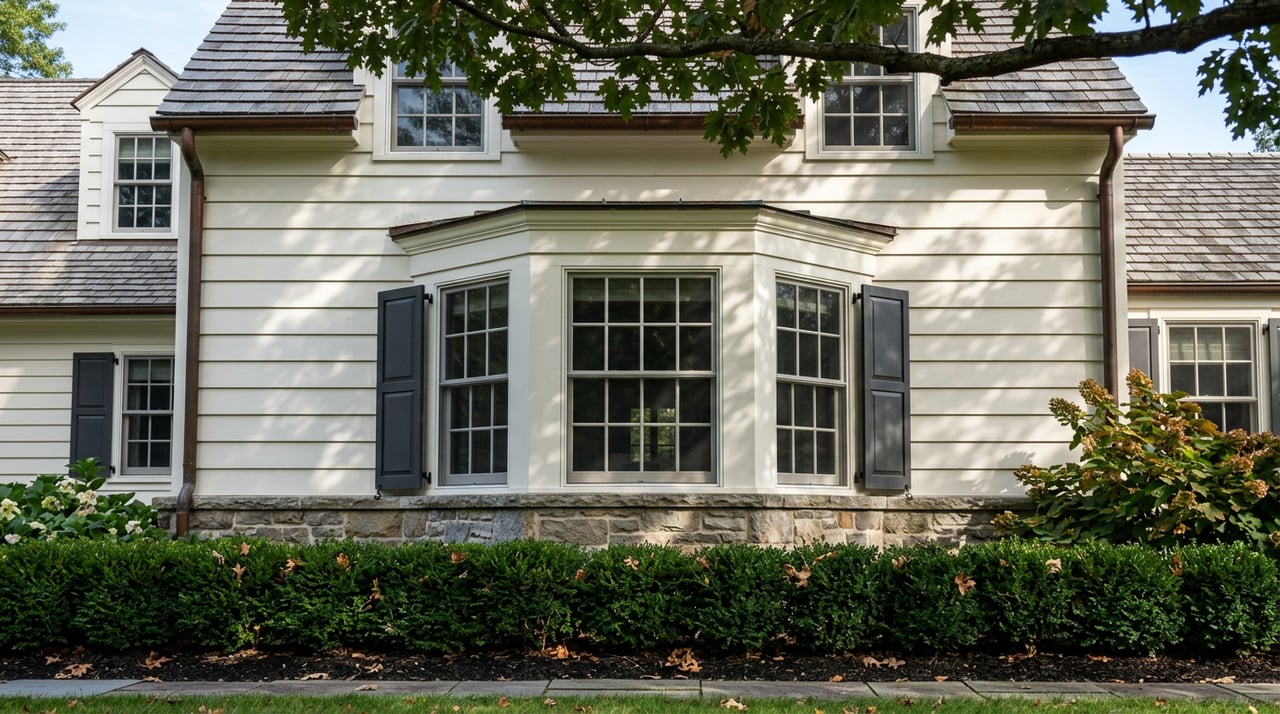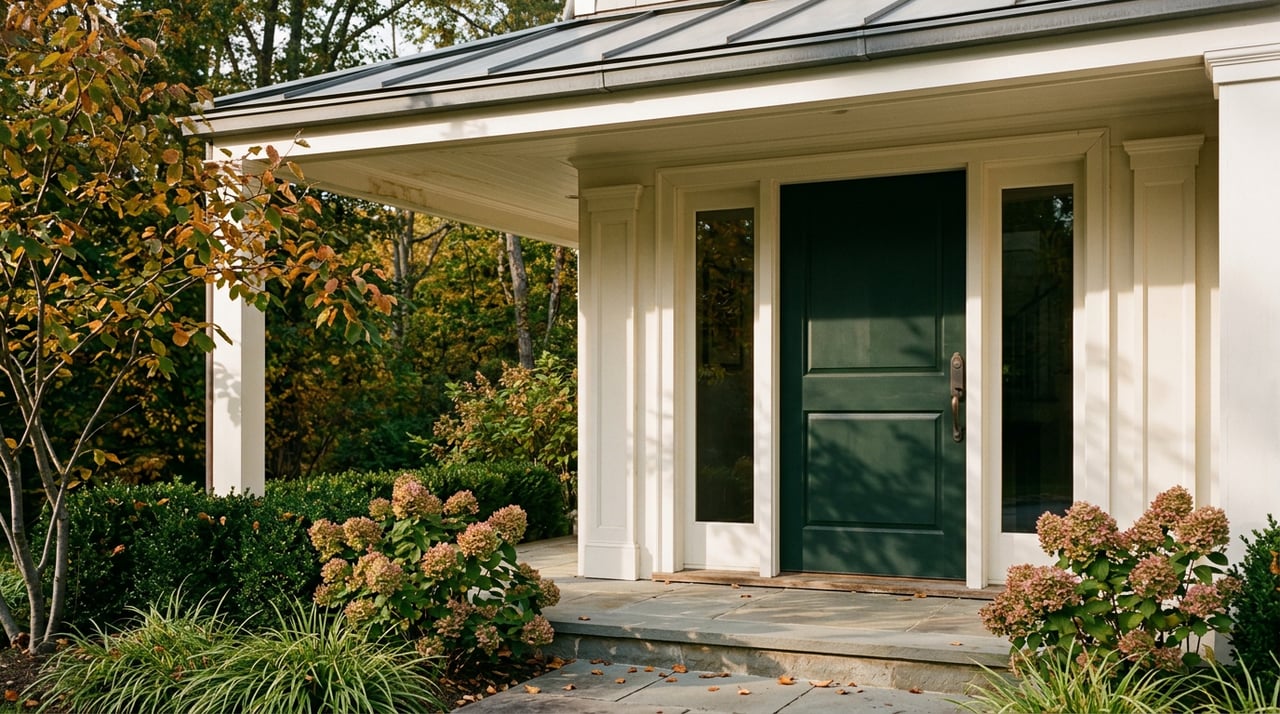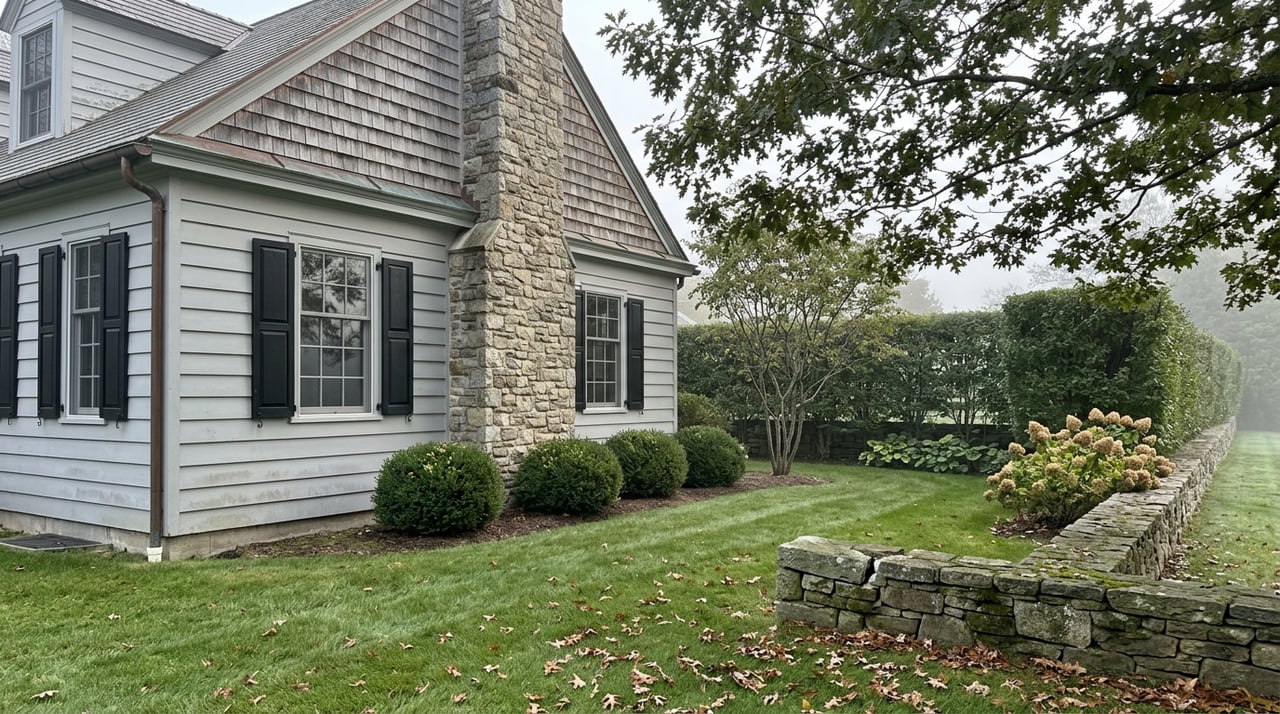
Wondering what style of home fits you in Pleasantville and nearby Westchester towns? With choices ranging from early 20th-century charm to postwar practicality, it can feel overwhelming to sort through layouts, maintenance, and renovation needs. You want a house that fits your lifestyle today and grows with you over time. In this guide, you’ll learn how to recognize the most common local home styles, what to watch for on tours, and how to plan updates with Westchester’s permitting and renovation realities in mind. Let’s dive in.
Pleasantville context at a glance
Pleasantville is a mature Westchester village with homes built across multiple eras. You will see pre World War I and 1920s revival styles, interwar Colonials, Tudors and Capes, and a wave of postwar homes from the 1940s to the 1970s that introduced many split-levels and some mid-century modern designs. Because of this mix, you should always review the year built, past renovations, and whether a property sits in a historic or conservation area that may affect exterior work.
When planning projects, keep in mind that construction labor and permit costs in Westchester tend to run higher than many U.S. averages. Timelines can also stretch due to municipal permitting or architectural and historic reviews in certain villages. Energy upgrades and hazardous-material abatement in older homes are common cost drivers, so build those into your planning.
How to spot each home style
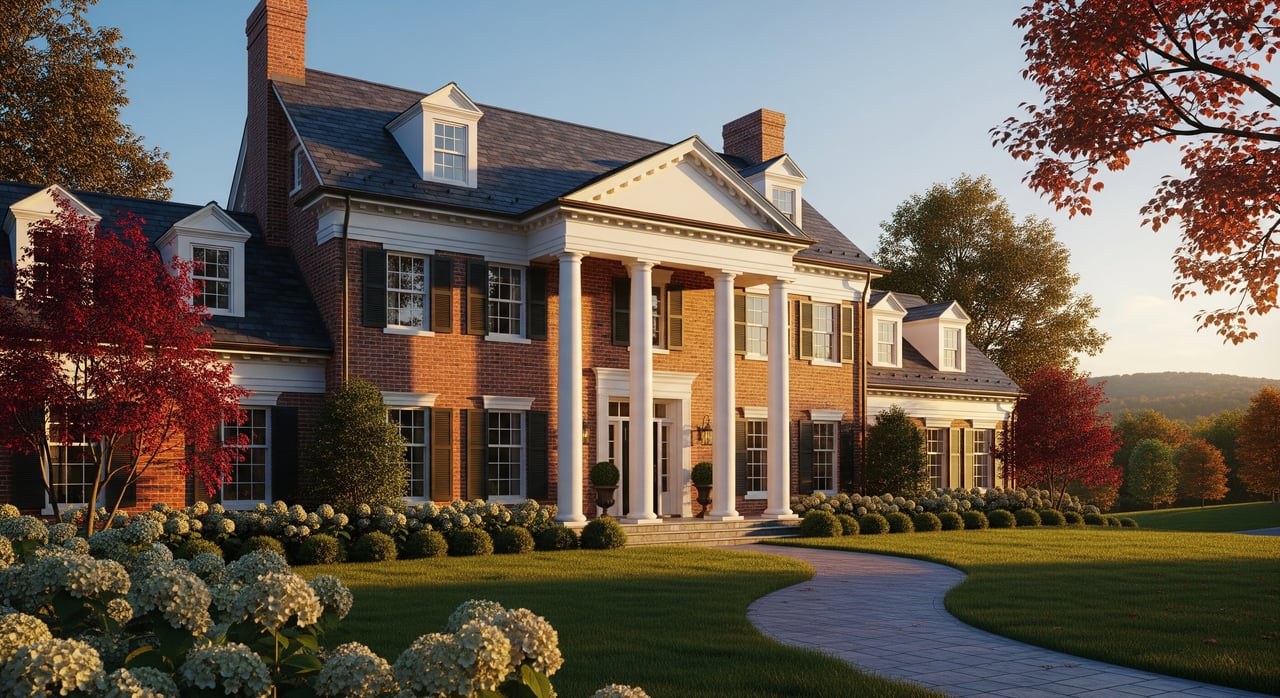
Colonial Revival
- Visual cues: Symmetrical façade, centered front door with decorative surround, double-hung windows, gabled roof, and sometimes a small entry portico or porch.
- Typical layout: Center-hall plan with formal living and dining rooms, kitchen at the rear, bedrooms upstairs, and a full basement.
- Tour watchouts: Check older wood windows for condition and drafts, roof age and chimney flashing, and signs of moisture in brick or concrete foundations. Very old examples may still have knob-and-tube wiring or aging electrical panels.
- Renovation notes: Opening walls in center-hall layouts often involves structural design. Kitchen and bath updates are common, and running new mechanicals is usually straightforward through framed walls and basements. Window upgrades or storm windows can boost efficiency while preserving character.
- Buyer fit: If you like traditional layouts and second-floor bedrooms, Colonials offer a familiar feel with strong, broad appeal.
Tudor Revival
- Visual cues: Steep gables, decorative half-timbering with stucco infill, tall casement or multi-pane windows, prominent chimneys, and asymmetrical facades.
- Typical layout: Cozy, compartmentalized rooms with plaster walls, wood trim, and occasional built-ins.
- Tour watchouts: Pay close attention to stucco and half-timber intersections for potential water intrusion. Roof valleys and tall chimneys can require specialized repair, and plaster may show hairline cracks.
- Renovation notes: Preserving exterior details maintains curb appeal but can raise costs and require specialist contractors. Many owners expand at the rear or side to create larger kitchens or better flow. Rewiring and insulation upgrades are common in this era.
- Buyer fit: If you value architectural character and unique details, Tudors deliver distinctive style that many shoppers appreciate.
Cape Cod
- Visual cues: One to one-and-a-half stories with a steep roof, modest footprint, symmetrical façade, and dormers on expanded versions.
- Typical layout: Smaller rooms in originals, with many homes later expanded through dormers or rear additions to add bedrooms and an extra bath.
- Tour watchouts: Upper rooms converted from attic space can have limited headroom and insulation. Look closely at dormer and roofline flashing where additions meet original roof. Shallow basements or crawlspaces may raise moisture and drainage questions.
- Renovation notes: Adding dormers, raising rooflines, or building rear additions are common strategies to increase space and comfort but require structural work. Reconfiguring small kitchens and baths may involve moving plumbing through floors or basement areas.
- Buyer fit: If you want a cozy footprint with room to grow, Capes often provide a flexible path to expansion.
Split-level
- Visual cues: Asymmetrical exterior with multiple short interior stair runs that divide living, bedroom, and lower levels on a compact footprint.
- Typical layout: Informal main level with kitchen near living areas, bedrooms a half-flight up, and a lower level that often connects to the backyard or garage.
- Tour watchouts: Level changes can pose accessibility concerns. Older HVAC systems may not efficiently serve multiple zones, and you might see settling at past additions.
- Renovation notes: Open-plan conversions can be complex due to load paths and stair reconfigurations. Lower levels are good candidates for finished space if waterproofing and ceiling height are suitable. Kitchen enlargements and bathroom additions are feasible with proper plumbing runs.
- Buyer fit: If you prefer separation between living and sleeping areas, split-levels offer practical flow and strong backyard connection.
Mid-century modern
- Visual cues: Low-pitched or flat roofs, large windows or clerestories, open plans, and post-and-beam elements that link indoors and outdoors.
- Typical layout: Open living areas with built-ins and simple trim; some homes sit on slab foundations rather than full basements.
- Tour watchouts: Low-slope roofs require careful detailing and can be costlier to replace. Original single-pane glass is common. Slab foundations complicate mechanical upgrades, and some mid-century finishes may contain asbestos.
- Renovation notes: Energy and comfort upgrades often center on HVAC, insulation, and window strategies that preserve the original aesthetic. Structural changes can be done with engineered solutions that respect the open plan.
- Buyer fit: If you love clean lines and indoor-outdoor living, authentic mid-century design has a dedicated following in Westchester.
Systems and safety in older Westchester homes
Expect a mix of mechanical ages across Pleasantville’s housing stock. Many older homes have forced hot water boilers or furnaces that owners upgrade to high-efficiency models or modern heat pumps. Central air may be absent in older properties, and buyers often add central AC or ductless mini-splits.
Electrical systems in older homes can include 100-amp panels or legacy wiring. If you plan a full kitchen or bath remodel, EV charging, or multiple new systems, a 200-amp upgrade is common. Plumbing can include older galvanized or cast iron sections that are often replaced during major renovations.
For homes built before 1978, plan for lead-safe work practices and proper contractor certifications. Asbestos may be present in pipe insulation, floor tiles, adhesives, or exterior siding in some mid-century homes. Basement moisture is common across the region, so pay attention to grading, gutters, and foundation drainage. Order a full home inspection and add any needed specialty inspections such as chimney, sewer scope, radon, or environmental testing.
Renovation priorities and budgeting
To improve comfort and resale, many Pleasantville buyers focus on a few high-impact projects:
- Kitchens and baths: From cosmetic refreshes to full reconfigurations, these areas drive daily enjoyment and marketability.
- Windows and insulation: Selective window replacements or storm windows plus insulation upgrades improve comfort and energy use, especially in older houses.
- Heating and cooling: Replacing aging boilers or furnaces and adding central AC or heat pumps can modernize comfort standards.
- Roof and drainage: Proactive roof work and proper water management protect your investment.
- Lead and asbestos considerations: Testing and licensed abatement are important when renovating pre-1978 homes.
Plan for Westchester realities, including longer permitting cycles, a labor premium compared to many markets, and possible specialty restoration on historic exteriors. If you are exploring energy upgrades, look into current programs and incentives available through statewide resources. For financing, buyers often consider renovation loan options or consult local lenders about products that fit older homes. Always verify current program details and terms before you make decisions.
Touring checklist for Pleasantville buyers
Use this quick reference to stay focused during showings:
- Ask the listing side: Year built, dates and permits for additions or major renovations, mechanical updates, and sewer connection type. Request any known history of roof leaks, drainage issues, pests, or environmental concerns. Ask about energy bills and insulation improvements.
- Do fast visual checks by style:
- Colonial: Window sills and frames, center-hall flow, basement moisture signs.
- Tudor: Stucco and timber intersections, chimney condition, roof valleys and flashing.
- Cape: Attic height above top-floor rooms, dormer flashing, roof and insulation condition.
- Split-level: Stair transitions, lower-level ceiling height, HVAC layout and duct accessibility.
- Mid-century: Roof pitch and drainage, large window seals and frames, slab or foundation settlement clues.
- Schedule the right inspections: Comprehensive home inspection plus chimney, septic or sewer scope, radon, and environmental testing as indicated by the home’s age and materials. Consider an energy audit if you plan significant efficiency upgrades.
Permits, zoning, and historic review
In Pleasantville and surrounding Westchester villages, most structural, major mechanical, electrical, siding, and roofing projects require permits. Timelines and fees vary by municipality. Some neighborhoods include historic or design review that can affect visible exterior work, so check local planning and building resources before you finalize scope.
Confirm whether a home is on municipal sewer or a private septic system, and ask about responsibility for sewer laterals. Understanding these items early helps you price risk and shape offer terms, including appropriate contingencies.
Choosing your best-fit home style
Each style offers tradeoffs. Colonials and Tudors bring classic character, with likely attention needed for windows, insulation, and electrical modernization. Capes are adaptable, especially with dormered expansions. Split-levels give practical separation of spaces, while mid-century homes deliver open plans and strong connections to the outdoors but can involve specialty roof and window work.
As you tour Pleasantville, weigh layout, renovation plans, and long-term comfort against your budget and timeline. If you want hands-on guidance through style choices, inspections, and offer strategy, connect with a local expert who understands Westchester’s housing eras and permitting landscape. For boutique, white-glove support from search to close, reach out to Lizette Sinhart.
FAQs
What are the most common Pleasantville home styles?
- You will most often see Colonial Revival, Tudor Revival, Cape Cod, and postwar split-level homes, with some mid-century modern houses in nearby suburbs.
How old are most homes in Pleasantville and Westchester?
- Many homes were built from the 1910s through the 1970s, reflecting early suburban growth, interwar expansion, and the postwar building boom.
What should I budget for renovations in Westchester?
- Costs vary by scope, but plan for higher-than-average labor and permitting costs, plus potential energy upgrades and hazardous-material abatement in older homes.
Which home styles are easiest to open up?
- Split-levels and mid-century homes can support more open flow, but structural changes in any style require evaluation; center-hall Colonials often need careful engineering to remove walls.
What inspections are essential for older Pleasantville homes?
- A full home inspection is key, with add-ons such as chimney, sewer scope, radon, and environmental testing for lead paint or asbestos in pre-1978 homes.
Do I need permits for exterior work in Pleasantville?
- Most structural and visible exterior projects require municipal permits, and some areas have historic or design review that can affect materials and timelines.