Trying to choose between a sleek new condo on the Hudson and a charming older home under leafy trees? You are not alone. In Sleepy Hollow, the decision often comes down to lifestyle, maintenance, and total monthly costs rather than just the list price. In this guide, you will learn how new construction and older homes compare here, from energy efficiency and insurance to taxes, permits, and common upgrade costs, so you can buy with confidence. Let’s dive in.
Sleepy Hollow housing at a glance
Sleepy Hollow offers a rare mix: waterfront condos and townhomes near the train, plus 19th- and early-20th-century homes with architectural character. Newer inventory is concentrated at the Edge-on-Hudson waterfront, a master-planned, transit-oriented community that has added townhomes, condos, and public spaces along the river. You can explore the community highlights on the official site for Edge-on-Hudson.
For price context, the Zillow Home Value Index shows a typical Sleepy Hollow home value around 960,931 as of January 2026. Monthly median sale prices vary with inventory mix, which includes both amenity-rich condos and historic single-family homes. Budget with your full monthly costs in mind, including taxes and, if applicable, HOA or condo dues.
What “new” vs. “older” means here
New construction and townhomes
Most of the area’s recent new-build options are at Edge-on-Hudson and select infill condo and townhome sites. Newer homes usually offer modern floor plans, efficient systems, fire-suppression features, elevator access in multi-family buildings, and conveniences like garage parking and EV readiness. You trade historic character for low near-term maintenance and turnkey living.
Older character homes
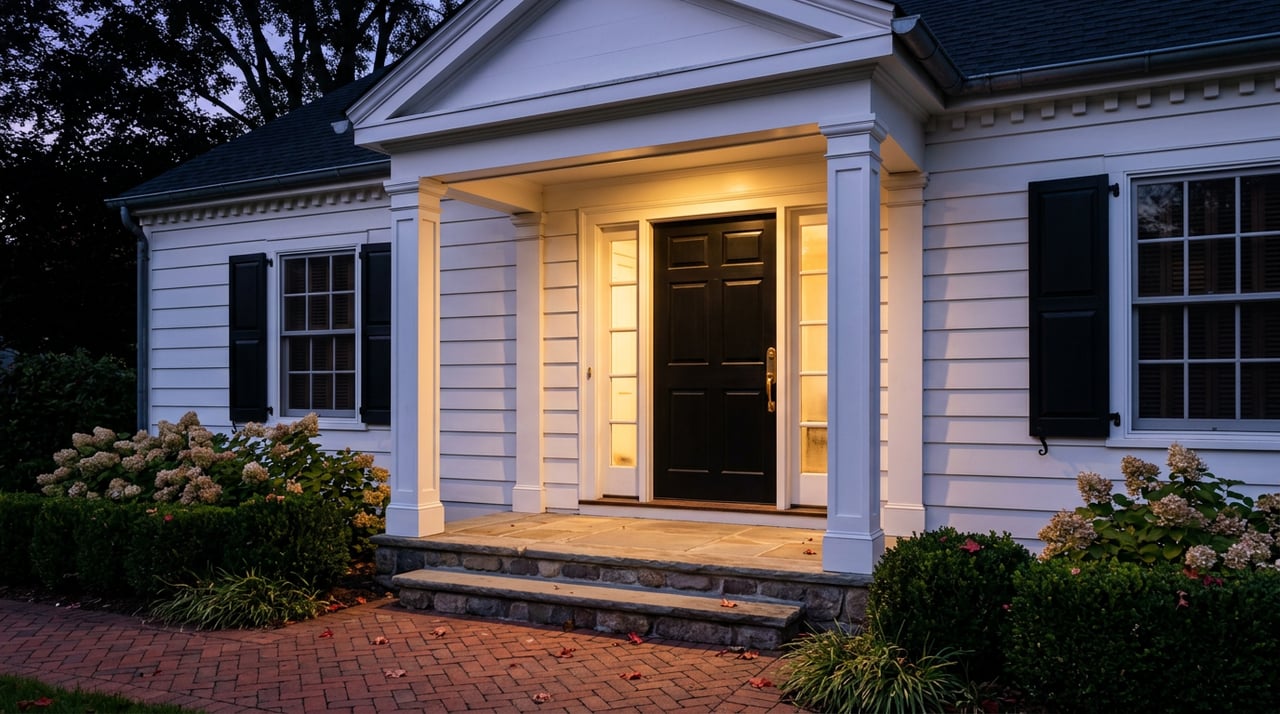
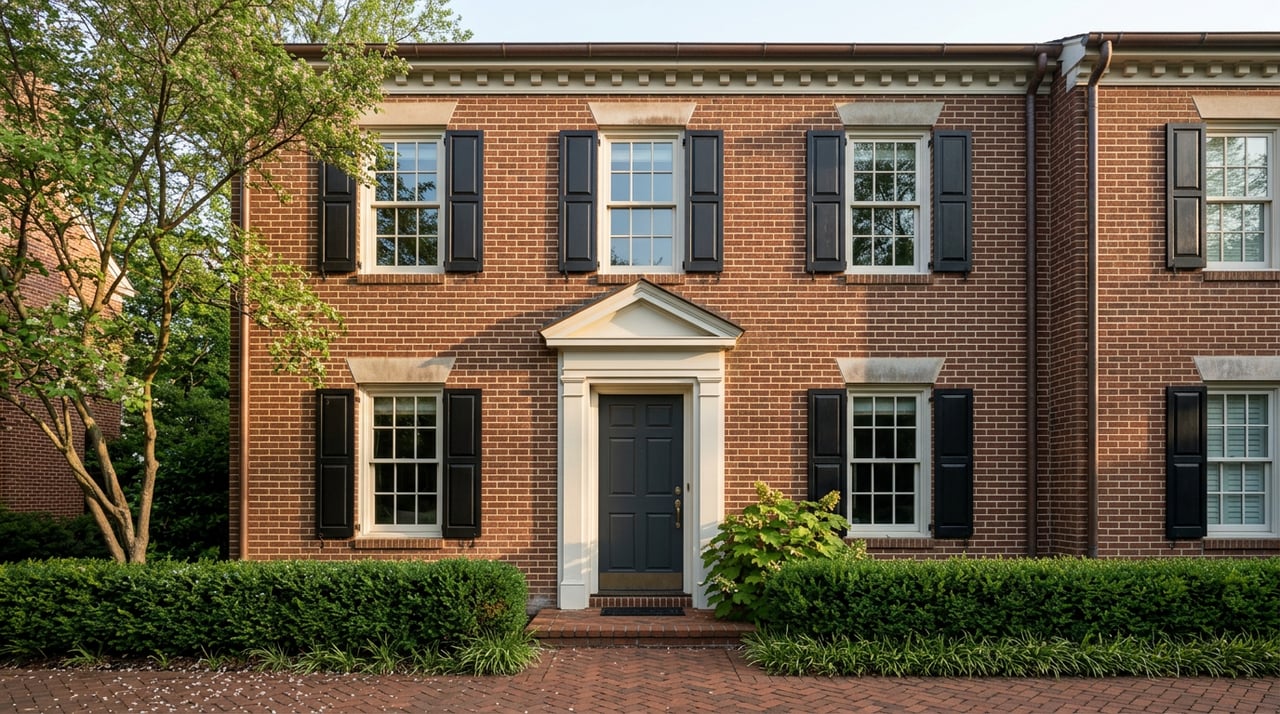
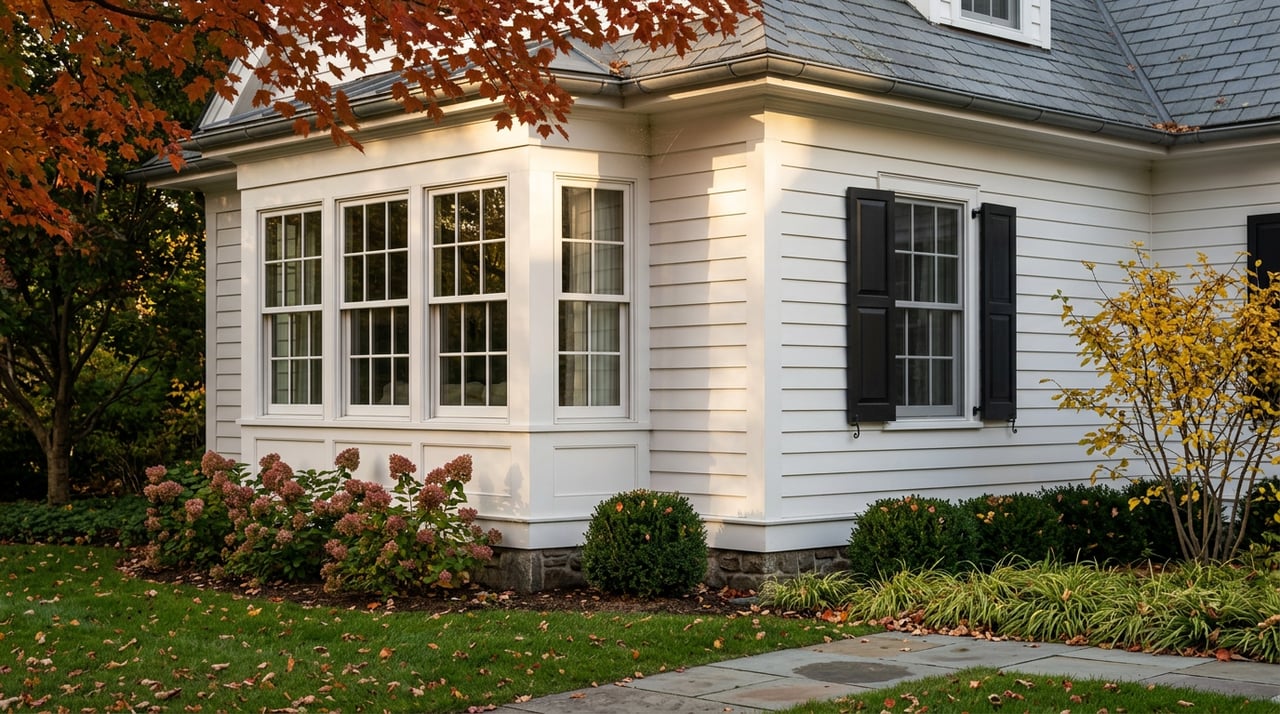
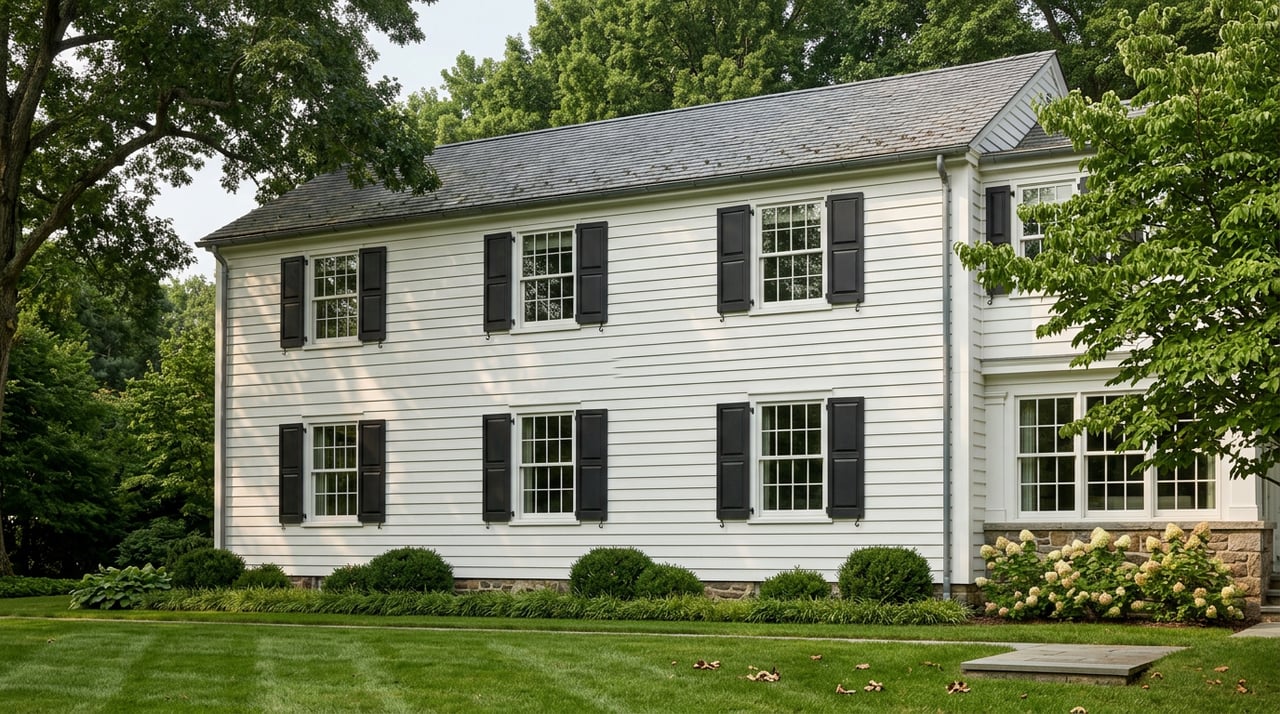
Many single-family homes trace back to Sleepy Hollow’s earlier eras, with Victorian, Colonial Revival, and Tudor styles common in neighborhoods like Philipse Manor and Kingsland. The village’s story and architectural fabric are highlighted in the local History of the Village. These properties often sit on established lots and feature distinctive details. Expect more hands-on upkeep and potential restoration projects.
Total cost differences you should expect
Purchase price and taxes
Westchester County property taxes are among the highest in the country, so you should factor the annual tax bill into your monthly budget. County-level data from ATTOM’s annual property tax report show how tax burdens compare across the U.S. Before you commit, request the current village, county, and school tax bills for any property you are considering.
HOA and condo fees
Newer condos and townhomes often come with HOA or condo dues that cover amenities, building insurance, and common-area maintenance. These dues add to your monthly carrying costs and can change over time. Ask about reserve funding, recent assessments, and what is included.
Utilities and energy
Modern construction is typically more energy efficient out of the box, which can help stabilize utility costs. Older homes can match or beat that performance after upgrades, but you should budget for air sealing, insulation, and HVAC improvements. New York State’s NYSERDA Heat Pump Program outlines rebates and contractor pathways for cold-climate heat pumps and related energy upgrades.
Maintenance, lifespan, and common projects
Electrical systems
In pre-1940s homes, you may encounter knob-and-tube wiring or undersized service. Both can limit your ability to add central AC or EV charging and may trigger insurance or lender conditions. The National Fire Protection Association notes that electrical distribution and lighting equipment are leading contributors to home fires; review the NFPA overview on home electrical fires for risk context. If rewiring is needed, typical whole-house replacement commonly ranges from about 10,000 to 40,000 depending on size and access, according to contractor surveys summarized by Angi.
Heating and plumbing
Older homes may have oil-fired boilers, cast-iron radiators, and galvanized or cast-iron plumbing. Replacing an aging boiler or switching to a heat pump or hybrid system is a regular near-term project in older stock. Rebates and credits can help offset costs when you use approved contractors; the NYSERDA Heat Pump Program is a good place to start.
Roofs, windows, and insulation
Original slate or cedar roofs, beautiful wood windows, and minimal insulation are common in historic homes. Repairs can be specialized and more costly, and insulation upgrades are often needed to boost comfort and lower bills. Plan projects in the right order. Start with air sealing and insulation to improve comfort and allow any future heat pump to work efficiently.
Lead paint and asbestos
If the home predates 1978, paint may contain lead. Renovations then require specific safety practices and certified contractors, which adds cost and time. You can review an overview of lead-safe renovation expectations and disclosure basics here: Lead-based paint and renovation rules.
Insurance, financing, and appraisal contrasts
Insurers and lenders evaluate risk differently for older homes than for newer condos built to modern code. Some carriers will require wiring or heating upgrades before issuing a policy, or they may offer coverage at higher premiums for older systems. For a consumer-friendly primer, see insurance considerations for older homes. Lenders and appraisers look for safe, sound, and marketable properties. Obvious defects can lead to conditions, repair holdbacks, or a slower closing timeline.
Permits, design review, and flood checks
Sleepy Hollow uses an Architectural Review Board that oversees a wide range of exterior changes requiring permits. Before planning a façade update, addition, or exterior material change, review the Architectural Review Board code to understand process and thresholds.
Waterfront and low-lying properties face additional rules. The village enforces Flood Damage Prevention provisions, and river-adjacent parcels near Kingsland Point and the RiverWalk may require extra steps for major renovations. Always check FEMA flood maps, local elevation requirements, and current flood insurance premiums early in your diligence.
Decision guide: which is right for you?
Choose newer condos or townhomes if you want
- Move-in-ready living with modern systems and floor plans.
- Predictable near-term maintenance and easier insurability.
- Amenities, garage parking, and transit-friendly location near the Hudson.
- The convenience of HOA-managed exterior upkeep and common areas. Explore the community at Edge-on-Hudson.
Choose an older single-family home if you want
- Architectural character, mature lots, and room to personalize.
- Long-term upside through thoughtful renovations.
- Willingness to budget for electrical, heating, insulation, and roof/window work.
- A more independent setup without HOA rules or condo bylaws. For local context, see the village’s History of the Village.
Quick buyer checklist for Sleepy Hollow
Confirm current pricing and time on market for comparable homes. Inventory can shift month to month with a mix of condos and older single-family properties.
Request the full property tax picture. Westchester’s burden is high; verify the current bill before final budgeting. County context is available in ATTOM’s property tax report.
Hire a licensed home inspector familiar with older houses. Ask for focused looks at the roof, HVAC or boiler, electrical panels and wiring, and plumbing. Electrical systems are a frequent source of losses; review the NFPA’s home electrical fire overview.
If the home predates 1978, confirm lead-paint disclosures and plan for lead-safe practices during renovations. Review renovation basics here: Lead-based paint and renovation rules.
If the property is near the river or in a low-lying area, check FEMA flood zones, required elevations, and expected flood insurance premiums. Start with the village’s Flood Damage Prevention code.
For energy upgrades, confirm contractor participation and pre-approvals for rebates. The NYSERDA Heat Pump Program outlines available incentives and sequencing tips.
The bottom line for Sleepy Hollow buyers
There is no one-size-fits-all choice. New construction in Sleepy Hollow delivers convenience, efficiency, and lower near-term maintenance, often at the tradeoff of HOA dues and fewer opportunities to customize. Older homes offer character, land, and long-term potential if you are comfortable planning projects and navigating permits. With the right due diligence, either path can be a great fit.
If you want help weighing the options for your lifestyle, commute, and budget, reach out to Lizette Sinhart for a thoughtful, one-on-one consultation.
FAQs
Are new Sleepy Hollow condos more energy efficient than older homes?
- Yes in most cases, because modern buildings are built to current codes with better insulation, windows, and HVAC. Older homes can match this with upgrades guided by the NYSERDA Heat Pump Program.
What hidden costs should I budget for with an older Sleepy Hollow home?
- Common items include electrical rewiring, heating system replacement or conversion, insulation and air sealing, roof or window work, and potential lead-safe renovation compliance.
How do HOA or condo fees affect my total monthly housing cost?
- HOA or condo dues cover building insurance, amenities, and common-area upkeep, which raises monthly carrying costs; ask about reserves, recent assessments, and exactly what is included.
What permits or reviews apply to exterior changes in Sleepy Hollow?
- Many exterior changes require Architectural Review Board oversight; check the Architectural Review Board code to understand thresholds, submittals, and timelines.
Do I need flood insurance for a riverfront property in Sleepy Hollow?
- If the home lies in a mapped flood zone, your lender will likely require flood insurance; confirm zone, elevation, and requirements through the village’s Flood Damage Prevention code and FEMA maps.
How much does replacing knob-and-tube wiring usually cost?
- Whole-house rewiring commonly ranges from about 10,000 to 40,000 depending on size and access, based on contractor estimates summarized by Angi.
Will insurers treat an older house differently than a new condo?
- Often yes; some carriers require electrical or heating upgrades on older homes or adjust premiums and coverage. See insurance considerations for older homes for a helpful overview.