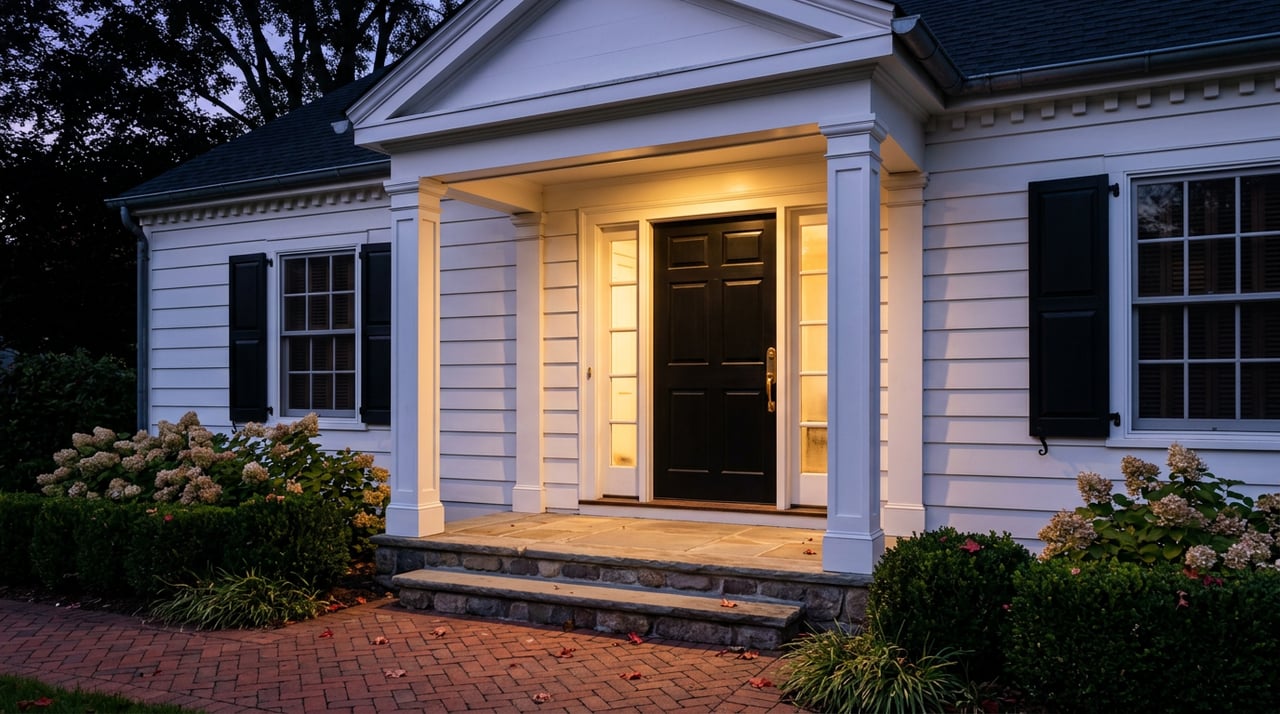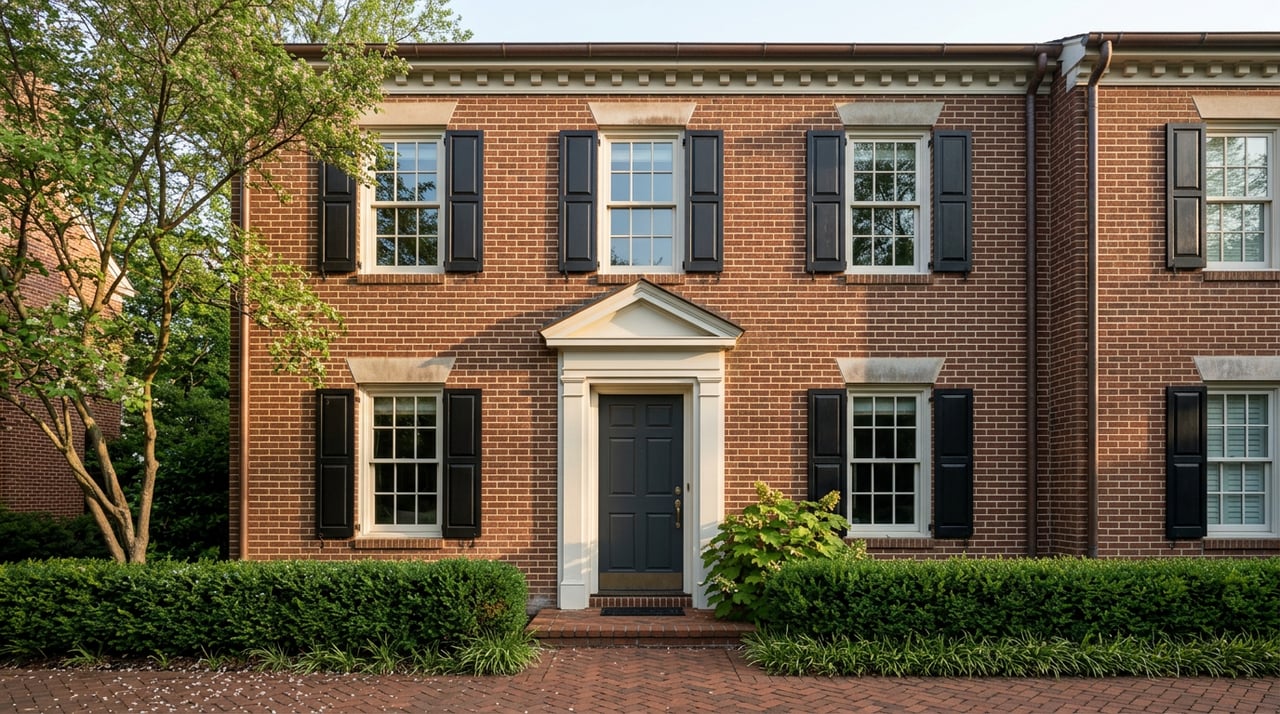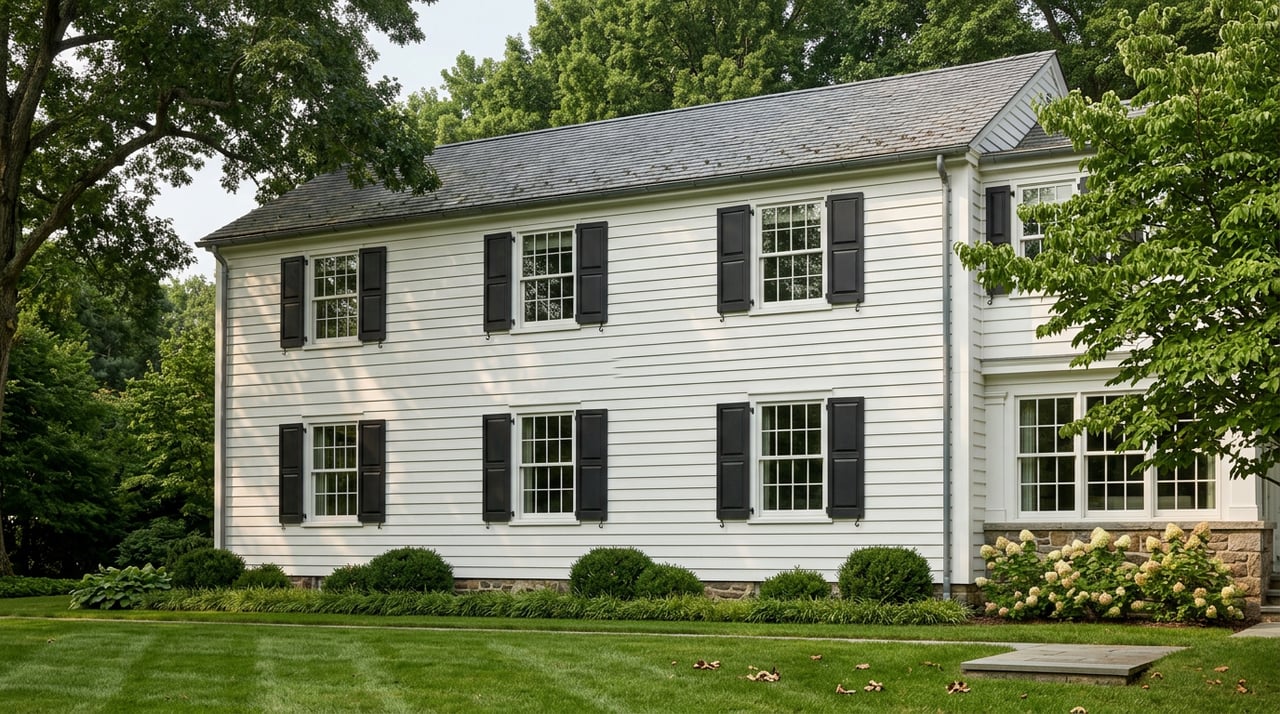
If you are thinking about buying in Chappaqua, you may quickly notice that most homes are single-family houses. That can make co-ops and condos feel a little harder to understand, especially if you are moving from New York City or comparing several Westchester options at once. The good news is that once you know how ownership, monthly costs, and board review work, it becomes much easier to decide what fits your budget and lifestyle. Let’s dive in.
Co-ops vs condos in Chappaqua
Chappaqua is part of the Town of New Castle, a primarily residential community that includes Chappaqua and Millwood and covers nearly 24 square miles. The town notes that a significant share of its land is occupied by single-family homes, which helps explain why attached ownership is a smaller part of the local housing mix than in many city neighborhoods. You can learn more about the town and local transit access on the Town of New Castle overview.
That smaller supply matters when you start your search. At the time of research, Redfin showed just a few condo listings in Chappaqua compared with the overall number of homes for sale, suggesting condos exist locally but make up a limited slice of the market. For many buyers, that means it is smart to stay flexible and understand both co-op and condo rules before the right opportunity appears.
What you own in each type
Co-op ownership basics
In a co-op, you do not buy the apartment itself as real property. According to the New York Attorney General’s co-op guidance, you buy shares in the corporation that owns the building, and those shares are tied to a specific apartment through a long-term proprietary lease.
That structure affects both your rights and your monthly costs. The same guidance explains that maintenance charges are based on the number of shares allocated to your apartment. So even if two homes look similar on paper, the carrying costs may differ because of how the shares are assigned.
Condo ownership basics
A condo works more like what many buyers expect from a traditional purchase. The New York Attorney General explains that you own the unit itself, plus an undivided interest in the common elements of the building. In plain terms, that means your ownership is tied directly to the residence, while shared areas are owned collectively.
For buyers coming from a single-family or townhouse mindset, condos often feel more familiar. That is one reason condo purchases are often seen as the closer equivalent to a conventional home purchase, even though you still need to review building rules and monthly fees carefully.
Why the buying process feels different
Co-op board review
One of the biggest practical differences is board review. In many Westchester transactions, co-op purchases involve a more detailed board package and may include a formal interview, based on guidance in the New York State Association of REALTORS® buyer guide. If you are considering a co-op, you should expect more scrutiny of your finances, application materials, and building fit.
This does not automatically make co-ops a poor choice. It simply means the process is usually more hands-on. If you like a lower entry price and are comfortable with a more structured approval path, a co-op may still be a strong option.
Condo review process
Condos usually involve document review rather than a formal board interview. In many cases, the board is reviewing the transaction package and the building documents instead of evaluating you through an in-person meeting. That often makes the path feel more straightforward for buyers who want fewer approval steps.
Still, simpler does not mean casual. Condo documents can still contain important restrictions and obligations, so due diligence remains a key part of the process.
Documents you should review early
The New York Attorney General’s buyer guidance recommends reading the full offering plan and consulting an attorney before signing a purchase agreement. That advice is especially important in New York, where building documents can affect everything from subletting to repairs to what shared amenities are actually required to be delivered.
For co-ops and condos alike, your review should typically include:
- The offering plan
- By-laws
- The proprietary lease for a co-op
- The declaration for a condo
- House rules
- Recent financial reports
- Board minutes
These records can reveal issues that do not show up in a showing. The Attorney General notes that board minutes, financial reports, and local building records may point to defects, planned repairs, or larger expenses that could affect your ownership costs after closing.
New construction and conversions
If you are looking at a newly built or newly converted property, document review becomes even more important. The Attorney General states that the offering plan controls what the sponsor is obligated to deliver, including amenities and common-area features. If an amenity matters to you, you want to confirm it in writing rather than rely on marketing language.
Monthly costs to budget for
Many buyers focus first on the mortgage payment, but attached housing comes with another major budget line. The Consumer Financial Protection Bureau notes that condo, co-op, or HOA dues are usually paid separately from your mortgage servicer and can range from a few hundred dollars to more than $1,000 per month.
That means your real monthly cost is not just principal, interest, taxes, and insurance. You also need to account for maintenance or common charges. In New York, co-op maintenance is tied to share allocation, while condo common charges are tied to common interests, so similar-looking homes can carry very different monthly obligations.
How co-ops and condos compare on price
For many Chappaqua-area buyers, attached housing enters the conversation because of price. According to OneKey MLS market data, the metro median was about $735,000 for single-family homes, $539,660 for condos, and about $299,000 for co-ops. OneKey also reported a Westchester single-family median of $999,000 in its February 2026 county snapshot.
Those numbers help explain why some buyers start with a house search and then explore condos or co-ops as a more accessible entry point. While local inventory and pricing always vary by property and timing, attached ownership can create options for buyers who want to enter Chappaqua or the wider Westchester market with a different budget structure.
What fits life in Chappaqua
Chappaqua offers a setting that many buyers associate with a suburban lifestyle, including a mostly single-family housing pattern and access to the Metro-North Harlem Line. The Town of New Castle notes that the Chappaqua station is accessible and includes elevators and ticket machines, which makes train access an important practical feature for some buyers.
That local context can help you think about fit. If you want less exterior maintenance and value easier train-oriented living, a condo or co-op may line up well with your goals. If you want more land, more privacy, and fewer shared rules, a single-family home may be the better match.
Neither option is universally better. The right answer depends on how you want to live, what you want to spend each month, and how comfortable you are with board governance and shared building rules.
Questions to ask before you buy
Before you make an offer on a Chappaqua co-op or condo, it helps to ask a few direct questions:
- How detailed is the board review process?
- Are there sublet, pet, or use restrictions in the governing documents?
- What do recent board minutes say about repairs or capital projects?
- How much are the monthly charges, and what do they cover?
- Are there upcoming assessments or building expenses under discussion?
- If it is new construction or a conversion, what does the offering plan require the sponsor to deliver?
These questions can save you time and help you compare properties more accurately. They also give you a clearer picture of whether the home fits not just your budget, but your day-to-day expectations.
If you are weighing a co-op, condo, or single-family home in Chappaqua, the best next step is to compare the ownership structure with the lifestyle you actually want. A thoughtful local strategy can help you avoid surprises and focus on the options that make sense for your move. When you are ready for tailored guidance, Lizette Sinhart can help you navigate the Chappaqua market with a hands-on, informed approach.
FAQs
What does a buyer own in a Chappaqua co-op?
- In a co-op, you typically buy shares in the corporation that owns the building, and those shares are tied to a specific apartment through a proprietary lease.
What does a buyer own in a Chappaqua condo?
- In a condo, you usually own the unit itself plus an undivided interest in the building’s common elements.
How is the Chappaqua co-op buying process different from a condo purchase?
- Co-op purchases often involve a more detailed board package and may include an interview, while condo purchases usually rely more on document review.
What documents should a Chappaqua co-op or condo buyer review before making an offer?
- You should review the offering plan, by-laws, proprietary lease or declaration, house rules, recent financial reports, and board minutes.
Are co-op or condo fees included in a Chappaqua mortgage payment?
- Usually no. Monthly co-op maintenance, condo common charges, or HOA dues are generally paid separately from your mortgage payment.
Why do some Chappaqua buyers consider co-ops or condos instead of single-family homes?
- Attached housing can offer a different price point, less exterior maintenance, and a lifestyle that may appeal to buyers who want convenience and train access.