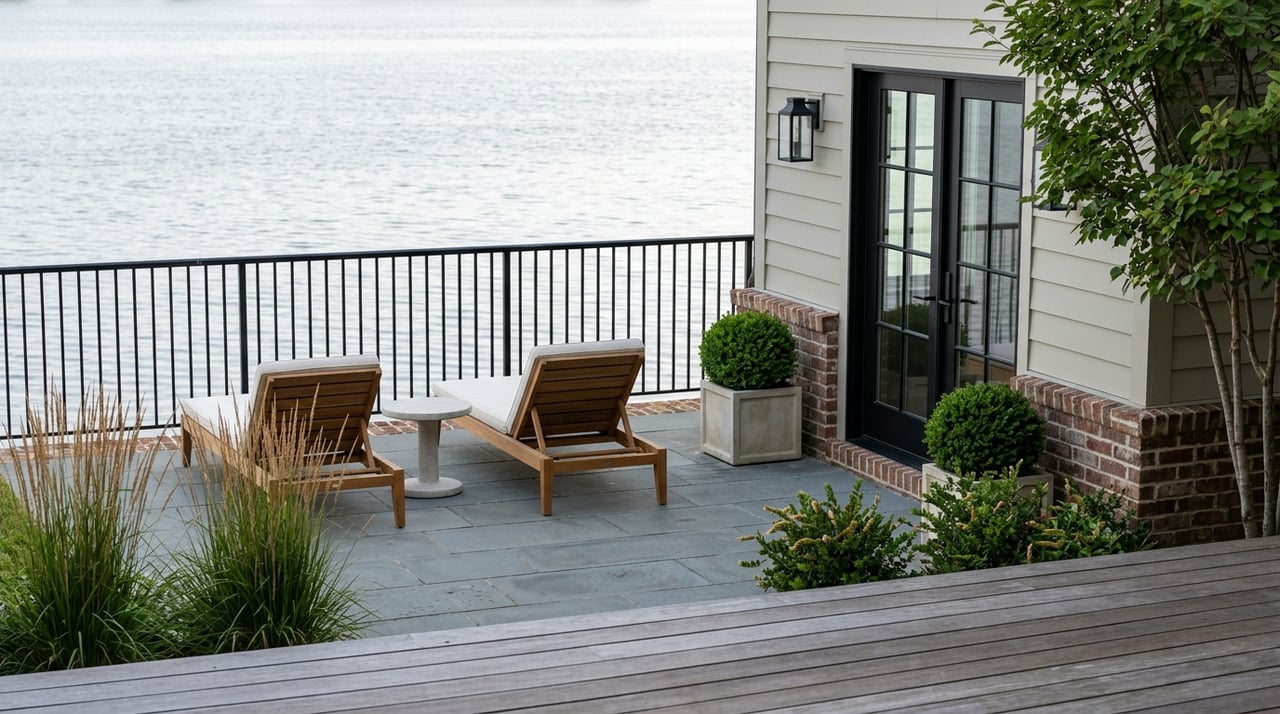
If you are drawn to the Hudson River but do not want the upkeep of a standalone house, Sleepy Hollow’s riverfront condos and townhomes may be worth a closer look. For many buyers, the appeal is simple: newer homes, water access, shared amenities, and an easier day-to-day lifestyle in a compact Westchester village. If you are trying to figure out whether this type of property fits your needs, this guide will help you understand the options, tradeoffs, and key questions to ask before you buy. Let’s dive in.
Sleepy Hollow’s Riverfront Market
Much of Sleepy Hollow’s riverfront housing story centers on Edge-on-Hudson, a 70-acre mixed-use redevelopment on the former GM site. According to Edge-on-Hudson, the neighborhood is planned for 1,177 homes and has expanded public waterfront access with parkland and promenade space.
That broader riverfront setting matters when you are comparing homes. The Village’s Sleepy Hollow River Walk was dedicated in 2022 as part of a 16-acre public-private project, and shoreline work continues in areas like Kingsland along the Hudson edge. In other words, you are not just buying a home type. You are buying into an evolving waterfront environment.
Sleepy Hollow is also a relatively compact, transit-oriented village. U.S. Census QuickFacts reports an estimated 11,427 residents in 2024, a median owner-occupied home value of $746,800, and a mean commute time of 30.3 minutes. That combination helps explain why lower-maintenance riverfront housing has gained traction with commuters, downsizers, and buyers making an urban-to-suburban move.
Condo and Townhome Options
Today, Sleepy Hollow’s riverfront inventory includes both newer homes and older waterfront condos. The newer options are concentrated at Edge-on-Hudson, while older inventory includes buildings like The River House at 11 River Street, a 56-unit luxury waterfront building with a river-view restaurant, reconstructed pier, kayak launch, and shoreline stabilization, as noted by SESI.
For buyers, this creates a useful comparison. Some properties feel more like a traditional condo building with shared services and common amenities, while others offer a more townhouse-like setup with private entries and outdoor space. The right fit often comes down to how much privacy, interior space, and maintenance responsibility you want.
What Daymark Condos Offer
The condo side of the market is best represented by The Daymark at Edge-on-Hudson. Its residences include 100 condominium homes with one-, two-, and three-bedroom layouts, along with some townhome-style residences that feature private maisonette entrances and stoops, according to The Daymark residences page.
Design details are a big part of the appeal. The homes are described as having more than 9-foot ceilings, large insulating picture windows, white oak flooring, and outdoor features like balconies, terraces, and loggias. For many buyers, that means a more polished, modern finish level than what you may find in older resale inventory.
What One Kingsland Townhomes Offer
If you want something that lives more like a house, One Kingsland shows the townhome side of the market. The community describes its homes as 90 elevator-ready townhomes with private outdoor spaces, soaring ceilings, natural hardwood flooring, Juliet balconies, French glass doors, oversized eat-in kitchens, and expansive islands, as outlined on One Kingsland’s townhome page.
That setup can appeal if you want more vertical living space and a more private entry experience. While these homes are still part of a planned waterfront community, they often feel closer to single-family living than a conventional condo does.
Lifestyle and Amenities
One of the biggest reasons buyers choose riverfront condos and townhomes is the lock-and-leave lifestyle. Instead of taking care of a yard, roof, and exterior systems on your own, you are typically sharing those responsibilities through the association structure while gaining access to amenities that would be expensive or impractical in a standalone home.
At The Daymark, amenities include a river-view pool deck, hot tub, rooftop terrace, fitness center, wellness spa, co-working lounge, library with fireplace, resident lounge, private dining room, coffee bar, screening room, children’s playroom, pet spa, resident storage on every floor, and bicycle storage, according to The Daymark amenities page.
One Kingsland takes a somewhat simpler approach but still offers a strong package. Its amenities include a private 75-foot pool, gym with Precor and Peloton equipment, and a clubhouse that can be used for socializing, remote work, or entertaining, based on One Kingsland’s amenities page.
Beyond the buildings themselves, the waterfront setting is part of the appeal. One Kingsland also highlights direct access to the Sleepy Hollow RiverWalk, Kingsland Point Park, the lighthouse, kayak and water-sport opportunities, beach access, and a resident shuttle to the Tarrytown station. If daily scenery, outdoor access, and easier commuting matter to you, those features may carry as much weight as square footage.
Commute and Convenience
For many buyers, especially those coming from New York City, convenience is a major part of the value. Edge-on-Hudson notes that homes are within a five-minute walk of the river and close to two Metro-North stations, while both The Daymark and One Kingsland emphasize access to Grand Central and the regional commuter rail network through Edge-on-Hudson residences information.
That makes Sleepy Hollow’s riverfront homes different from many suburban options that trade convenience for space. Here, you may be able to keep a more connected routine while gaining a waterfront setting and newer housing stock.
Condos vs. Townhomes vs. Single-Family Homes
If you are deciding among property types, it helps to think in terms of lifestyle fit rather than just price or square footage. Condos and townhomes generally offer less private land and more shared ownership of common elements. In exchange, you usually get less exterior maintenance and more built-in amenities.
Single-family homes often offer more privacy and control over the property. You are usually making your own decisions about repairs, landscaping, snow removal, and exterior upkeep. For some buyers, that independence is a major plus. For others, it feels like too much work.
According to the New York State Attorney General’s condominium guidance, condo ownership means you own your unit and an undivided interest in the common elements. In townhouse-style developments, shared systems can also include roads, sidewalks, drainage, and retaining walls. That structure is important to understand because it affects both your monthly costs and your responsibilities.
A Simple Way to Compare
| Property Type | Best For | Main Tradeoff |
|---|---|---|
| Condo | Buyers who want amenities and the lowest-maintenance setup | Less privacy and more shared spaces |
| Townhome | Buyers who want a house-like layout with association support | Shared systems and monthly common charges |
| Single-family home | Buyers who want privacy and control | More upkeep and individual maintenance responsibility |
Key Due Diligence Questions
When you buy near the waterfront, the details matter. The New York State Attorney General advises buyers to read the full offering plan because it governs what the sponsor is required to deliver, including amenities, parking, and recreational features. For townhouse-style communities, the AG also recommends reviewing who is responsible for roads, sidewalks, drainage systems, and retaining walls through its condo buyer resources.
This is where practical questions become essential. Before you make an offer, consider asking:
- What do the monthly common charges cover?
- Are there healthy reserve funds?
- Have there been recent or pending special assessments?
- Who handles exterior maintenance, snow removal, landscaping, parking, and security?
- What amenities are complete today versus planned for the future?
- Are there future phases or nearby construction that could affect noise, access, or views?
These questions are especially relevant in a developing waterfront district. The village continues to review additional Edge-on-Hudson townhome phases, according to a Village of Sleepy Hollow planning document. That means today’s setting may continue to evolve over time.
Flood Insurance Matters
Flood risk is another topic you should review carefully in any Hudson River location. FEMA’s FloodSmart guidance states that most homeowners and renters insurance policies do not cover flood damage, so flood coverage is typically purchased separately.
For condo owners, the details can be more layered than many buyers expect. FloodSmart notes that individual condo flood policies usually cover the unit interior, not the building exterior or common areas, and condominium associations in eligible communities may also carry association-level flood coverage. In practical terms, you will want to ask what the association insures, what you may need personally, and where any gaps could exist.
How to Decide If It Fits You
A riverfront condo or townhome in Sleepy Hollow can be a strong fit if you want water access, newer construction, shared amenities, and less day-to-day maintenance. It may also make sense if you are moving from the city and want an easier transition into suburban living without taking on all the responsibilities of a detached home right away.
On the other hand, if your top priorities are a private yard, more separation from neighbors, and total control over your property, a single-family home may be the better long-term fit. There is no one-size-fits-all answer. The best choice depends on how you want to live, commute, and spend your time.
If you are weighing riverfront condos, townhomes, or other options in Sleepy Hollow, working with a local advisor can help you compare not just floor plans, but the lifestyle behind them. To talk through your goals and find the right fit, connect with Lizette Sinhart.
FAQs
What are the main riverfront condo and townhome communities in Sleepy Hollow?
- Sleepy Hollow’s riverfront market is centered on Edge-on-Hudson, which includes condo and townhome options like The Daymark and One Kingsland, along with older waterfront condo inventory such as The River House.
What is the difference between a condo and a townhome in Sleepy Hollow?
- In general, a condo gives you ownership of your individual unit plus a shared interest in common elements, while a townhome-style property may offer a more house-like layout and private entrance but still include shared systems and association-managed features.
What amenities do Sleepy Hollow riverfront condos usually include?
- Newer communities may include amenities such as pools, fitness spaces, lounges, co-working areas, rooftop terraces, bicycle storage, and access to the RiverWalk and nearby waterfront recreation.
What should buyers ask before purchasing a riverfront condo or townhome in Sleepy Hollow?
- You should ask about common charges, reserve funds, special assessments, maintenance responsibilities, flood insurance coverage, and whether future construction phases could affect the property.
Do Sleepy Hollow riverfront homes require flood insurance?
- Flood insurance is a separate coverage from standard homeowners or renters insurance, so you should review both association-level and individual coverage needs carefully when buying near the Hudson River.