Craving more space, quieter streets, and a reliable train to Midtown without giving up culture and community? If you’re weighing a move from NYC to Chappaqua, you’re not alone. You want clear facts on commute times, lot sizes, home costs, schools, and what daily life really feels like. This guide walks you through the essentials so you can plan with confidence and decide if Chappaqua is the right suburban fit. Let’s dive in.
Chappaqua at a glance
Chappaqua is a hamlet within the Town of New Castle in northern Westchester County, about 30 miles north of Midtown Manhattan. When you see population numbers, check the map being used. The small Chappaqua census-designated place had 2,628 residents in 2020, while the Town of New Castle, which includes Chappaqua and Millwood, has roughly 18,000 residents according to QuickFacts. The town’s household incomes trend well above county and state medians, which helps explain the area’s well-maintained housing and services.
- Source notes: CDP population from the 2020 count, town-level income and population from QuickFacts.
Chappaqua Central School District is a major draw, and Horace Greeley High School ranks highly in commonly used school rating systems. Always confirm district boundaries for a specific address before you make an offer.
- See town and district references: New Castle QuickFacts, Chappaqua CDP 2020 population, Chappaqua Central School District, and Horace Greeley rankings.
Homes and neighborhoods: what to expect
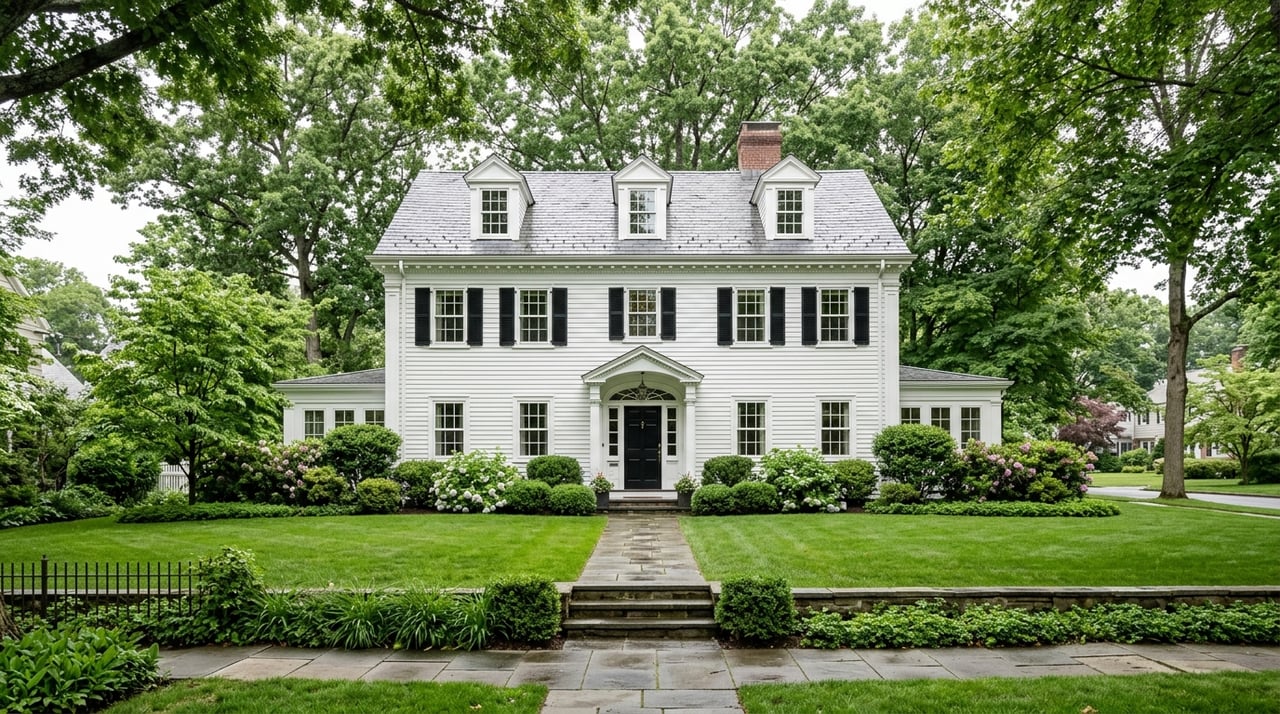
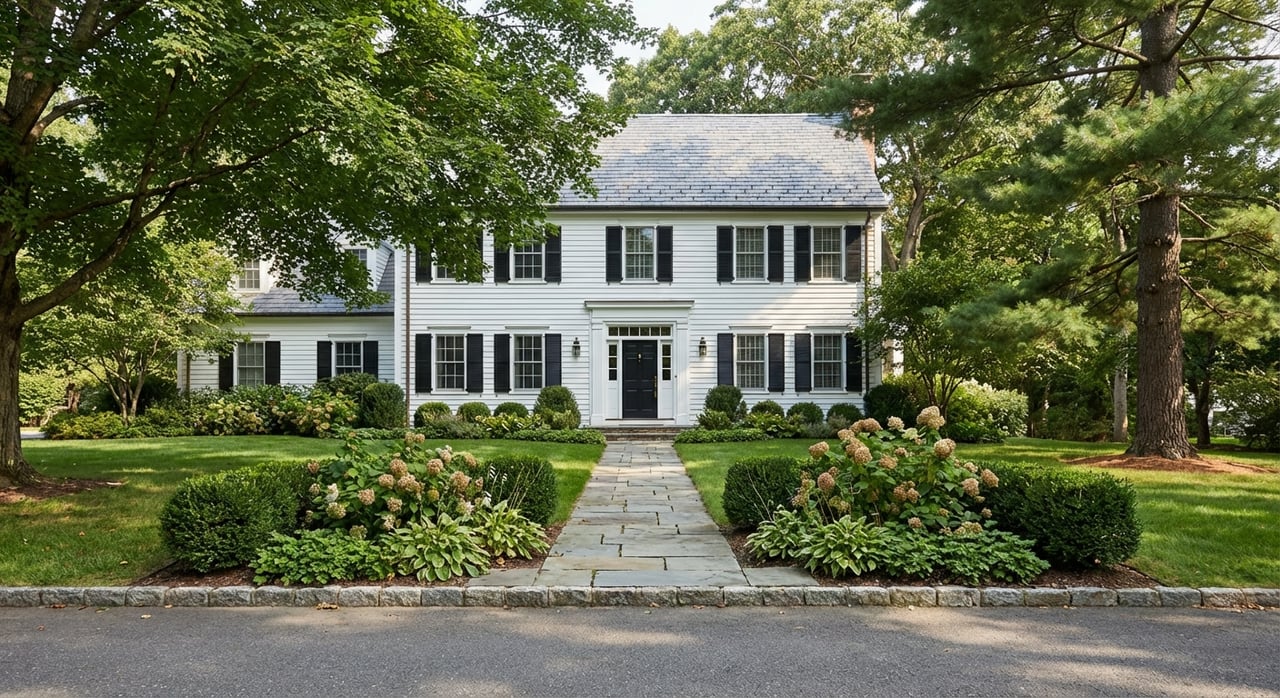
You’ll find a primarily single-family, suburban housing stock. Architectural styles include center-hall Colonials, renovated farmhouses, Tudors, and newer modern updates. There are small clusters of townhomes and condos, and the mixed-use Chappaqua Crossing has added housing and retail, but true walk-up apartments are limited compared with NYC.
Lot sizes and zoning basics
Chappaqua’s suburban feel comes from mapped residential districts in the Town of New Castle. Minimum lot areas commonly include R-1/4A at 11,250 square feet, R-1/2A at 1/2 acre, R-1A at 1 acre, and R-2A at 2 acres. Setbacks, frontage, and building form rules also apply, so always check the mapped district for a specific property if you plan additions or a pool.
- For details, review the town’s Residence Lot and Bulk schedule.
Prices and carrying costs
Recent provider snapshots often place Chappaqua single-family medians in roughly the 1.0 million to 1.6 million dollar range, with variation by month, neighborhood, and home size. Because there are relatively few sales each month, medians can shift quickly, so use current data when you’re ready to shop. Property taxes are a meaningful part of monthly carrying cost in Westchester. Your bill will depend on assessed value plus town, county, and school levies.
- Tip: Use a provider such as ATTOM to estimate taxes, then request a sample bill for the specific address. See Chappaqua property tax overview.
Inventory and timing
Inventory is typically tight. Well-priced homes can move quickly, especially near town and train. If you’re relocating on a deadline, plan ahead and get fully preapproved early so you can write a strong offer when the right home appears.
Commute and getting around
For most NYC-bound commuters, the train is the default. The Metro-North Harlem Line serves the Chappaqua station. Depending on the train you catch, typical inbound travel to Grand Central is about 40 to 60 minutes, with express patterns on some peak runs. Schedules change seasonally, so confirm your exact trains before you decide.
- Explore the Chappaqua station page and the current Harlem Line timetable.
Parking at the station is managed locally. Some lots require permits and may have waitlists, and there are limited daily spaces. Rules and costs vary by lot and municipality, so verify early if you plan to drive and park.
- For an overview, see this Westchester commuter parking guide.
For local trips, Bee-Line buses serve the station area, and walking or biking works if you live near downtown. Outside the hamlet center, most households find a car practical for groceries, activities, and childcare logistics.
Daily life: downtown, parks, and services
Downtown Chappaqua is compact and easy to navigate, with cafes, shops, and everyday services. Larger shopping runs often include nearby nodes like Chappaqua Crossing or neighboring towns. The rhythm is suburban and daytime-oriented, with a focus on school calendars and community events.
Green space is a highlight. Many homes have yards, and you’ll find local parks, fields, and trails that anchor weeknights and weekends. Town planning materials emphasize open space and parkland, which shapes the feel of many neighborhoods.
- For context on open space, visit Plan New Castle.
Healthcare and specialty services are accessible throughout Westchester. Expect drives of about 10 to 30 minutes to reach many medical offices and hospital campuses, depending on your address.
Schools and enrollment basics
Chappaqua Central School District is widely recognized for strong academic performance. Horace Greeley High School ranks highly in third-party systems such as Niche, though rankings are just one lens among many. District lines do not match the small Chappaqua CDP, so some addresses outside the hamlet still feed into Chappaqua schools.
- Start with the district’s website for boundaries, registration timing, and residency documentation. For rankings, see Horace Greeley on Niche.
Your NYC-to-Chappaqua move plan
Use this simple timeline to keep the process smooth and predictable.
3 to 6 months out
- Get fully preapproved and set your budget, including taxes and maintenance.
- Tour neighborhoods to decide how close to town or train you want to be.
- Learn the local lot-size rules if you want space for a future addition or pool. Check the Residence Lot and Bulk schedule.
2 to 3 months out
- Test the commute on the exact trains you would take. Review the Harlem Line timetable.
- Confirm station parking options, permit timing, and daily space availability. See this commuter parking overview.
- If schools are a priority, review district registration steps and documents on the CCSD site.
Contract to close (about 30 to 60 days typical)
- Schedule inspections, complete mortgage underwriting and appraisal.
- Review a sample property tax bill and confirm escrow setup. Use ATTOM’s local data as a starting point, then verify with the assessor.
- Line up utilities, homeowner’s insurance, lawn and snow services as needed.
If you plan projects
- Consult the Town Building and Zoning office early. Setbacks, coverage, and permits can affect timelines, especially for additions, pools, or major renovations.
Is Chappaqua right for you?
If you want a suburban home with a yard, strong public schools, and a practical train commute to Midtown, Chappaqua checks key boxes. You will trade 24/7 city convenience for quieter streets, green space, and a community calendar driven by schools and local events. With tight inventory and meaningful property taxes, the best outcomes come from planning early and shopping with clear priorities.
Ready to explore homes that fit your lifestyle and budget in Westchester? Connect with Lizette Sinhart to map your move, compare neighborhoods, and navigate the process with white-glove support from search to close.
FAQs
How long is the train ride from Chappaqua to Grand Central?
- Typical inbound trips are about 40 to 60 minutes depending on express or local service; check the Harlem Line timetable for current options.
Do you need a car if you live in Chappaqua?
- If you live near downtown and ride Metro-North, you can get by, but most households use a car for groceries, activities, and childcare; see the Chappaqua station page and CCSD site for local context.
How big are lots in Chappaqua?
- Many neighborhoods range from about a quarter-acre to one acre, with mapped minimums such as R-1/4A at 11,250 square feet and R-1A at 1 acre; verify using the Residence Lot and Bulk schedule.
Will Westchester property taxes be higher than my NYC rent?
- Property taxes are a significant cost that vary by address and assessed value; estimate with a provider like ATTOM and review a sample bill for any home you’re considering.
What’s the difference between Chappaqua, ZIP 10514, and the Town of New Castle?
- The Chappaqua CDP is a small hamlet area, the 10514 ZIP covers a broader zone, and the Town of New Castle includes Chappaqua and Millwood; population and data points differ by which map you use, as shown in QuickFacts and the 2020 CDP report.