Wondering whether Sleepy Hollow really works for a New York City commute? If you are weighing more space, a different pace, and an easier day-to-day routine, commute logistics are probably near the top of your list. The good news is that Sleepy Hollow can be a very workable option, but the best fit often comes down to station access, parking, and your weekly schedule more than the train ride itself. Let’s dive in.
Metro-North Is the Main Commute
For most buyers in Sleepy Hollow, the default trip into Manhattan is the Metro-North Hudson Line. Commuters typically use either Philipse Manor in Sleepy Hollow or the nearby Tarrytown station.
According to the current Hudson Line timetable and village directions, the rail ride to Grand Central is about 35 minutes from Tarrytown and only a few minutes longer from Philipse Manor. Actual travel time depends on the specific train you catch and how many stops it makes along the way.
That is an important starting point if you are moving from the city and trying to picture your new routine. On paper, the commute looks straightforward. In real life, your door-to-door time may depend just as much on how you get to the station as it does on the train itself.
Why Door-to-Door Time Matters
When buyers compare suburbs, they often focus on the headline train time. That number matters, but it does not tell the whole story.
Your actual commute includes the walk, drive, drop-off, or rideshare to the station, plus the trip from Grand Central to your office. In Sleepy Hollow, that means a home that is a little closer to a station, or easier to park from, may feel much more convenient on a busy weekday.
If you expect to commute several days a week, it helps to think beyond the schedule. A 35-minute train ride can feel very different depending on whether you can walk out the door and head straight to the platform, or whether you need to build in extra time for parking and traffic.
Philipse Manor vs Tarrytown
For many buyers, the biggest commute decision is not whether to take the train. It is which station will fit your lifestyle better.
Philipse Manor Basics
Phlipse Manor station is located at 300 Riverside Drive in Sleepy Hollow. It is wheelchair accessible and offers Metro-North rail, local bus, and taxi connections.
The station lot has 126 total spaces. In addition, the village-managed resident permit-only street parking tied to the station has a capacity of 73 spaces, with a reported annual permit cost of $450.
For buyers who want to stay within Sleepy Hollow for their daily routine, Philipse Manor can be appealing. But the parking footprint is relatively small, so access and permit rules can make a real difference.
Tarrytown Basics
Tarrytown station is located at 1 Depot Plaza. It is also wheelchair accessible and connects to Metro-North rail, Hudson Link express bus, Bee-Line bus, taxi, and Zipcar.
Its primary commuter lot on Green Street allows resident, non-resident, and commuter permits, with pay meters available after 2 p.m. Tarrytown has 909 total parking spaces, which is a major contrast from the much smaller setup at Philipse Manor.
For buyers who expect to drive to the train often, that larger parking supply may be one of the most practical advantages. It can offer more flexibility for households with changing schedules.
Fare Differences Are Not the Main Issue
One surprise for many buyers is that the rail fare is not the biggest factor when comparing these two stations. MTA fare materials place both Tarrytown and Philipse Manor in Hudson Line Zone 5.
That means your fare zone for a Grand Central commute should not materially change based on which of these stations you use. In other words, station choice is less about saving on train fare and more about simplifying your routine.
Current Zone 5 fares to Zone 1 are listed at $299.75 monthly, $106.50 weekly, $15.25 peak one-way, and $11.25 off-peak one-way. If you are building a monthly budget, these numbers are useful, but they are only part of the full commuting picture.
Peak Trains Can Affect Your Budget
If you work standard office hours, peak ticket rules are especially relevant. The MTA says peak tickets are required on trains arriving at Grand Central between 6 a.m. and 10 a.m.
Peak tickets are also required on trains departing Grand Central between 6 a.m. and 9 a.m. and between 4 p.m. and 8 p.m. For buyers planning a regular in-office schedule, that likely means commuting costs will line up with peak travel pricing most weekdays.
If your job offers flexible or hybrid hours, your options may be broader. Even then, it is smart to map out when you are most likely to travel before deciding what kind of station access will work best.
Driving to Manhattan Costs More Now
Some buyers like having the option to drive into the city when needed. That flexibility can still be valuable, especially for late nights, airport runs, or meetings outside Midtown.
But driving into Manhattan now comes with another budget item. The MTA says the Congestion Relief Zone covers Manhattan south of and including 60th Street, and the peak-period toll for a passenger vehicle with E-ZPass is $9.
The peak period runs from 5 a.m. to 9 p.m. on weekdays and 9 a.m. to 9 p.m. on weekends. That toll is separate from fuel, station parking, and garage costs, so it is worth factoring in if driving is part of your backup plan.
Parking Rules Matter More Than You Think
In a commuter town, parking can shape your daily experience just as much as train frequency. Sleepy Hollow’s village pages note updated parking rules in Philipse Manor and Sleepy Hollow Manor.
The village also says neighborhoods within walking distance of train stations are the most likely candidates for resident parking programs. That is why buyers should verify current permit rules instead of assuming street parking will be simple or unchanged over time.
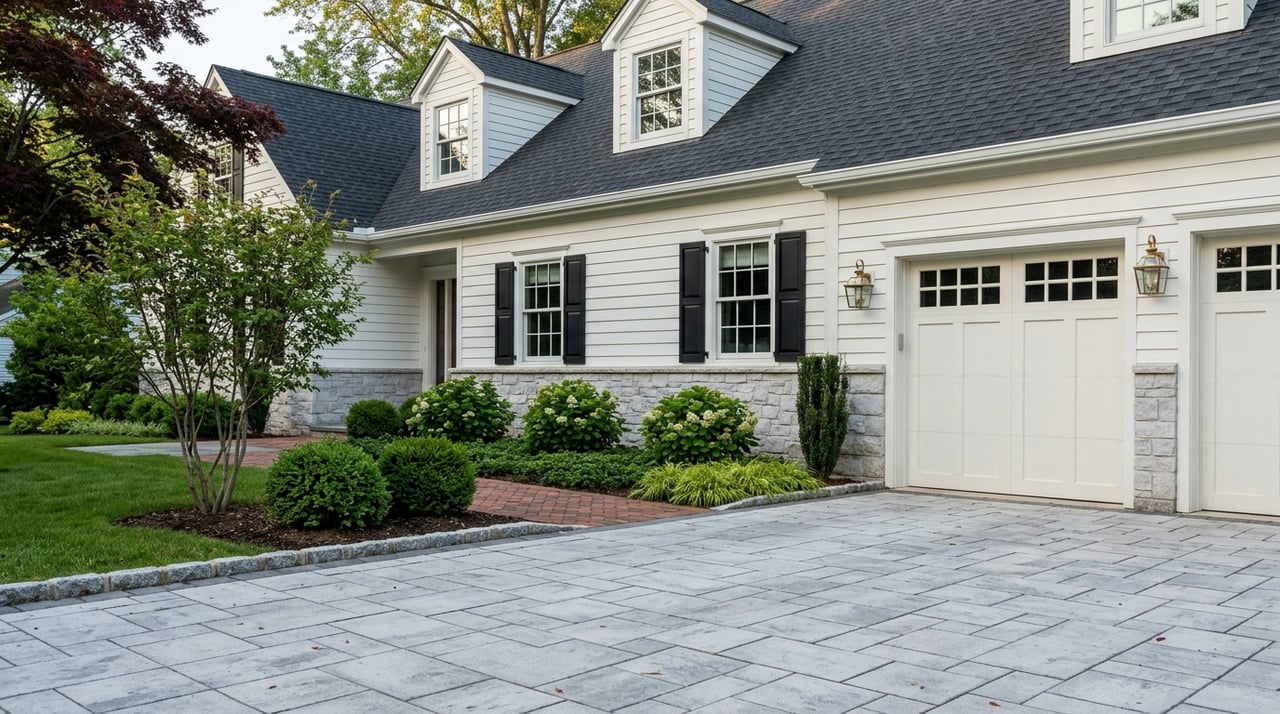
This can be especially important if you are comparing two homes that look similar on paper. A property with a driveway, garage, or easier station parking setup may offer a noticeably smoother weekday routine.
What Home Features Help Commuters Most
Commute-friendly living is not only about the station. It is also about how your home supports your schedule.
If you want a car-light routine, homes with a short and straightforward route to the station may be the best fit. The village notes that downtown Sleepy Hollow and its historic attractions are walkable from either station, though they are not directly beside the platforms, and taxis and rideshares are usually available.
If your schedule is less predictable, different features may matter more. Households with late returns, hybrid office patterns, or frequent driving may prefer homes with driveways, garages, or easier access to Tarrytown’s larger commuter lot.
The village also notes that Sleepy Hollow offers parking in its downtown district, municipal lots, and at the train station. So when you compare homes, it helps to look at the full picture: the block, the parking setup, and how you will actually move through your week.
How Buyers Can Evaluate the Commute
The smartest way to judge a Sleepy Hollow commute is to test the routine you expect to live. A home may seem ideal online, but the daily experience often comes down to details you only notice when you think through the full trip.
As you compare properties, ask practical questions like:
- How far is the home from Philipse Manor or Tarrytown?
- Would you walk, drive, or use a rideshare most days?
- Is there on-site parking, a driveway, or a garage?
- Would you likely need a resident permit?
- Are you mostly commuting during peak train hours?
- Do you want the flexibility of Tarrytown’s larger parking supply?
These questions can help you narrow in on the right lifestyle fit, not just the right address. For many buyers, that is where the best decision becomes clearer.
The Bottom Line on Commuting From Sleepy Hollow
Sleepy Hollow is a realistic commuter town for many NYC buyers, especially if you want more space without giving up rail access to Grand Central. The train ride itself is relatively manageable, with Tarrytown at about 35 minutes and Philipse Manor only slightly longer.
What tends to shape the experience most is everything around the train: first-mile convenience, parking availability, permit rules, and whether your household mostly travels during peak times. If you look at those pieces early in your home search, you can make a more confident move and choose a home that supports your real routine, not just your wish list.
If you are thinking about moving from the city to Westchester, Lizette Sinhart can help you compare neighborhoods, commute setups, and home features so you can find the right fit for how you actually live.
FAQs
How long is the train commute from Sleepy Hollow to Grand Central?
- The village says the rail ride is about 35 minutes from Tarrytown to Grand Central and only a few minutes longer from Philipse Manor, though actual trip time depends on the train and stopping pattern.
Which station is better for a Sleepy Hollow buyer, Philipse Manor or Tarrytown?
- Both can work well, but Tarrytown offers much larger parking capacity while Philipse Manor may be more convenient if you want to stay closer to Sleepy Hollow for your daily routine.
Do Philipse Manor and Tarrytown have different train fares to NYC?
- No. MTA fare materials place both stations in Hudson Line Zone 5, so the fare zone for a Grand Central commute should be broadly comparable.
What is the monthly Metro-North fare from Sleepy Hollow area stations to Grand Central?
- Current MTA fare materials list the Zone 5 to Zone 1 monthly fare at $299.75.
What should buyers know about parking near Sleepy Hollow train stations?
- Buyers should pay close attention to station parking supply, permit rules, and whether a home has its own driveway or garage, since those factors can strongly affect the day-to-day commute.
Is driving from Sleepy Hollow to Manhattan a good backup option?
- It can be useful for some trips, but buyers should budget for the Congestion Relief Zone toll, plus fuel, parking, and garage costs if they plan to drive into Manhattan regularly.