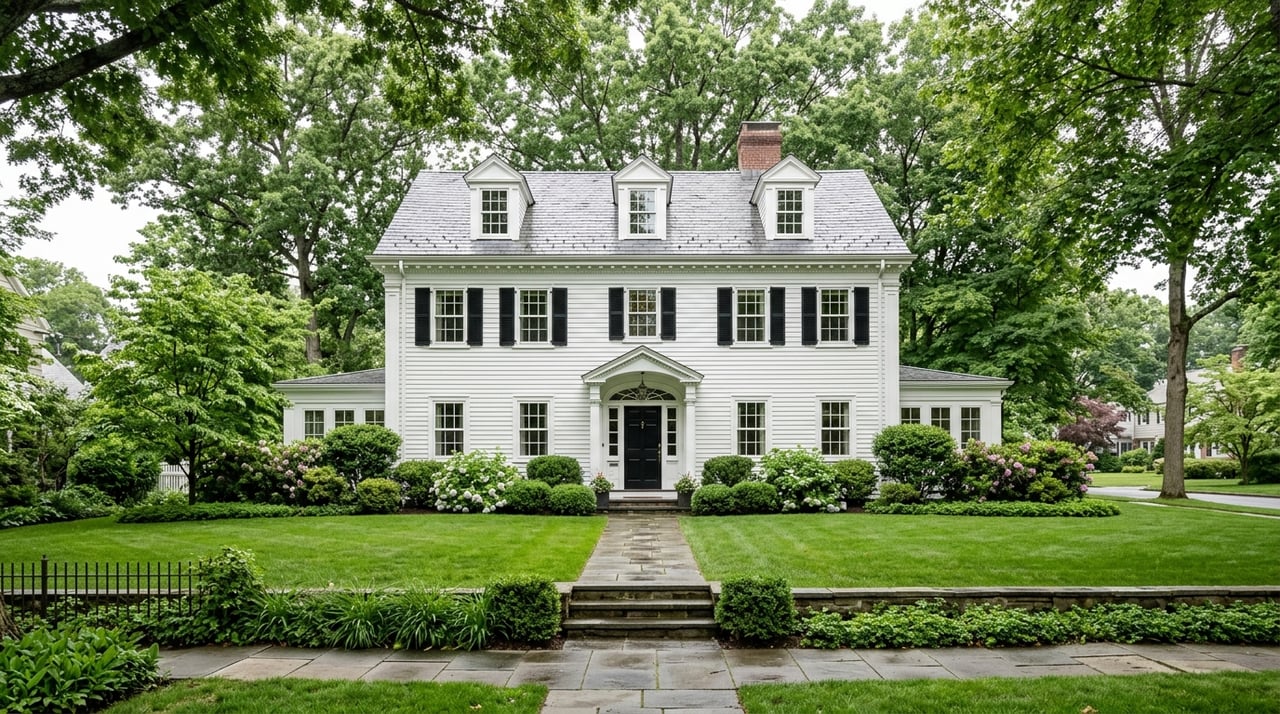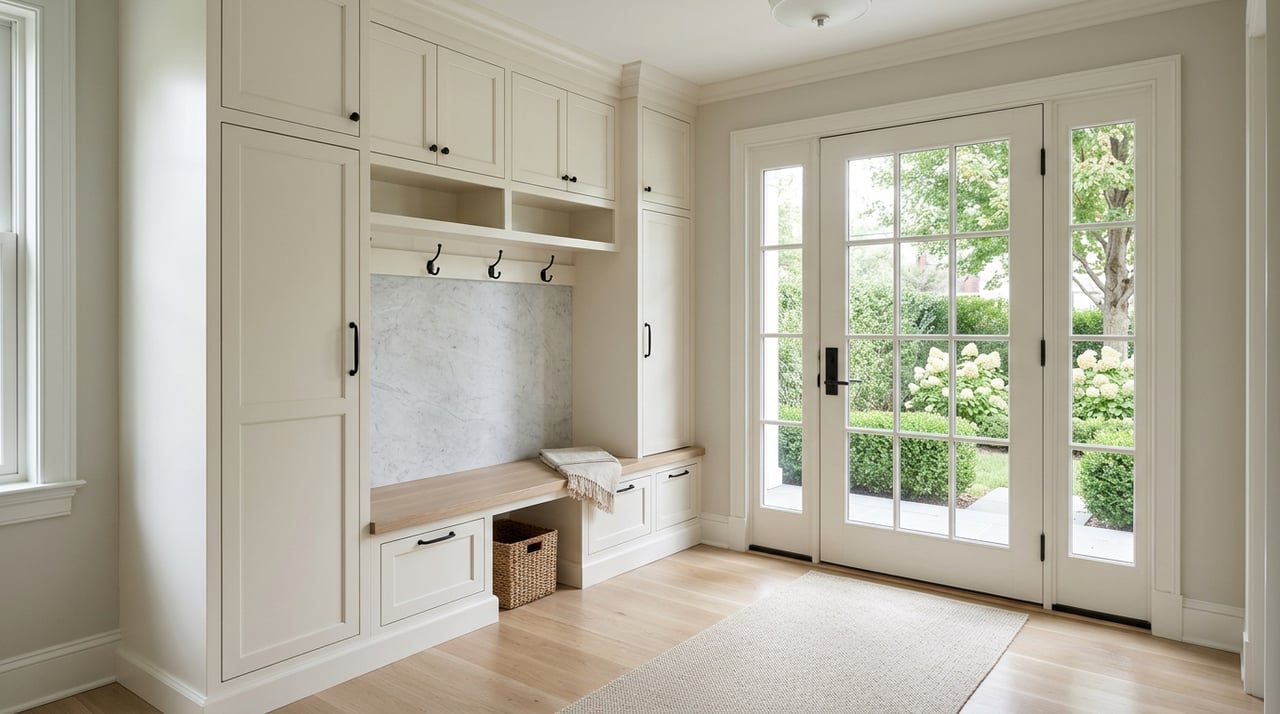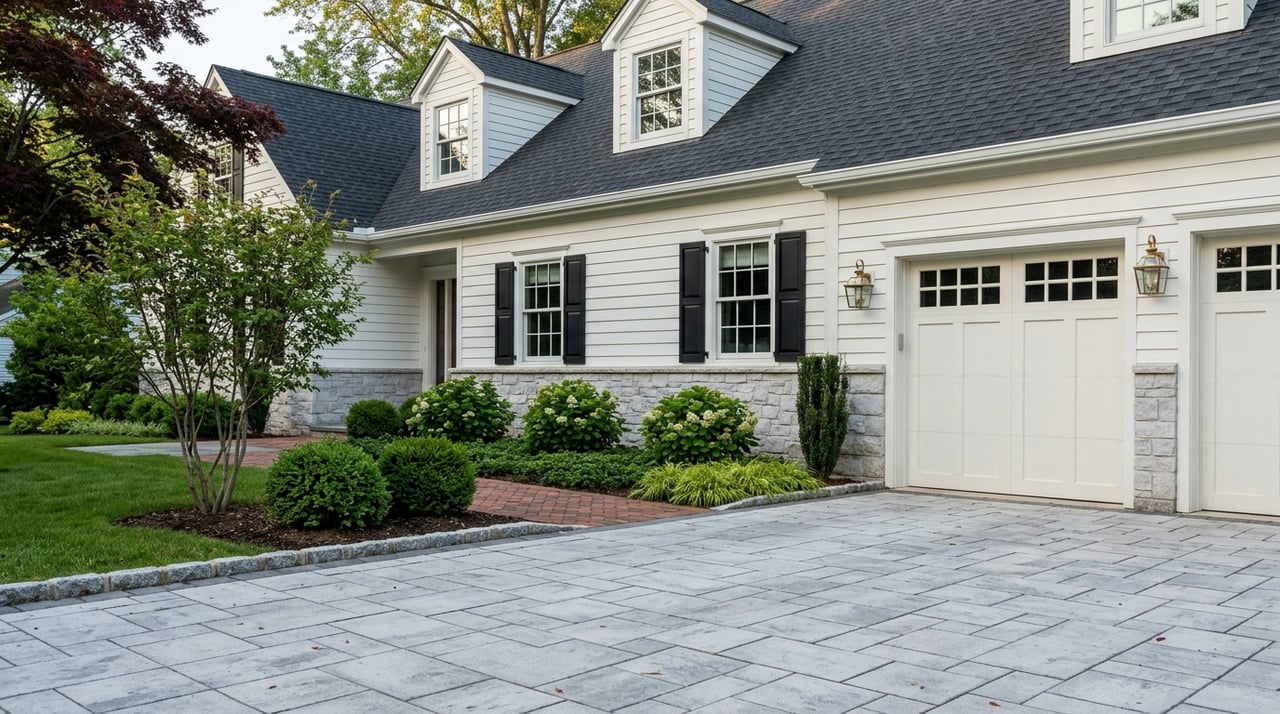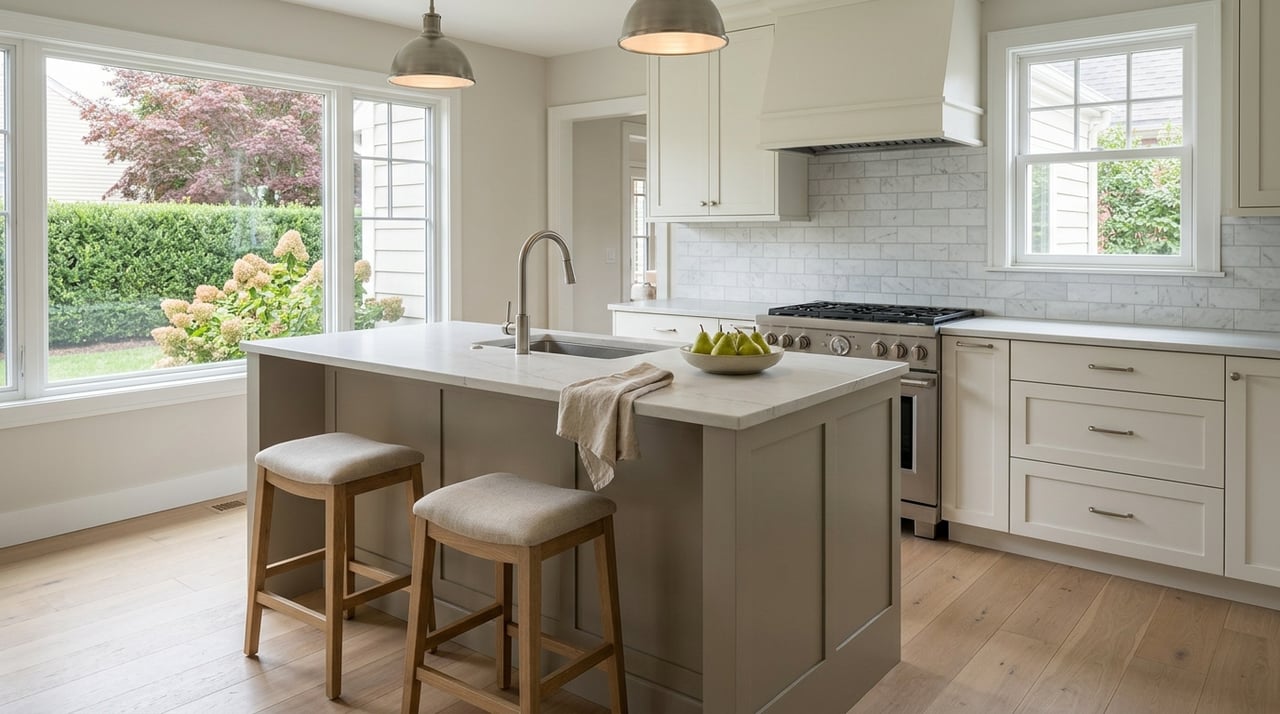
Buying your first home in Chappaqua can feel exciting and overwhelming at the same time. You may be balancing budget questions, commute goals, property taxes, and the big decision of whether a co-op, condo, or single-family home fits your life best. The good news is that with the right plan, you can move from search to closing with more clarity and confidence. Let’s walk through what to expect.
Why Chappaqua Requires a Thoughtful Plan
Chappaqua is part of the Town of New Castle, which includes the hamlets of Chappaqua and Millwood. For many first-time buyers, that matters because your search may stretch across different pockets of town while still focusing on the lifestyle you want.
The local commute can also shape your search in a very real way. The MTA Harlem Line serves Chappaqua station and runs to Grand Central, so train access and schedule fit may be part of how you compare homes, especially if you are moving from New York City or still commuting into it.
Beyond the home itself, many buyers also look closely at local amenities. The Town of New Castle highlights recreation programs and the Chappaqua Performing Arts Center, which can help you picture day-to-day life after you move.
Start With Budget, Not Browsing
It is tempting to begin with online listings and open houses, but your first real step should be building a realistic budget. A preapproval letter can help you understand your likely price range, and sellers often expect one before they accept an offer.
Just remember that a preapproval is only a tentative commitment, not a final loan approval. It is useful for planning and house hunting, but the more complete cost comparison comes later when you receive official Loan Estimates.
In Chappaqua, monthly affordability means more than principal and interest. New York property taxes help fund schools and municipal services, and school districts are the largest users of the tax, so your carrying costs should include taxes from the start.
Cash Needed Beyond the Down Payment
One of the biggest surprises for first-time buyers is how much cash may be needed beyond the down payment. Closing costs commonly run about 2% to 5% of the purchase price, and that does not include moving expenses, furnishings, repairs, or utility set-up.
If you are buying in a price range near or above $1 million, there are added tax issues to plan for early. In New York, the additional 1% mansion tax applies to residential purchases of $1 million or more, and that tax is paid by the buyer.
If you are financing the purchase, you should also budget for New York mortgage recording tax. Westchester County is one of the localities where that tax is calculated, so it belongs in your closing-cost planning from the beginning.
Compare Co-ops, Condos, and Single-Family Homes
Your first purchase in Chappaqua may not look the same as someone else’s. Some buyers want a single-family home for more independence, while others prefer a condo or co-op because of price point, layout, or maintenance structure.
Co-op Basics
In a co-op, you are buying shares in a corporation rather than owning the apartment directly as real property. Those shares are tied to a specific apartment, and your ownership includes a long-term proprietary lease.
Co-ops also come with maintenance charges based on share allocation. Before moving forward, buyers should carefully review offering-plan materials, board minutes, financial reports, and disclosed defects.
Condo Basics
In a condo, you own the unit outright and also have an interest in the common elements. You will usually pay common charges and follow the declaration, bylaws, and board rules.
That ownership structure can feel more straightforward than a co-op, but it still requires careful review. Buyers should understand any rules that affect use of the property, leasing, resale, and building operations before they sign.
Single-Family Basics
A single-family home usually offers the most direct control, but it also comes with the most direct responsibility. You are generally responsible for repairs, property taxes, insurance, and any HOA dues that may apply.
For many first-time buyers, this is where long-term planning matters most. Routine upkeep, seasonal maintenance, and occasional larger repairs should all be part of your budget, not an afterthought.
Verify Address Details Early
In a competitive market, it is easy to focus on finishes, layout, and lot size. But in Chappaqua, address-level details can matter just as much to your decision.
The Chappaqua Central School District registrar says it can verify whether an address falls inside the district and which elementary or middle school it is zoned for. If school district or school zoning is important to your search, verify that information early rather than relying on assumptions.
This step is especially helpful when you are comparing homes quickly or exploring multiple parts of New Castle. It keeps your search grounded in facts and helps you avoid disappointment later.
A Practical First-Time Buyer Timeline
A smoother purchase usually starts with a clear sequence. While every transaction is different, most first-time buyers benefit from following a simple roadmap.
Step 1: Get Preapproved
Start with preapproval so you can define your working budget. This gives you a stronger foundation for comparing homes and making an offer when the right one appears.
Step 2: Narrow Your Search
Next, refine your search based on price, commute needs, property type, and monthly carrying costs. In Chappaqua, that often means weighing train access, taxes, and address-specific details together.
Step 3: Tour Homes
As you tour homes, compare not just style and space, but also the ownership structure and ongoing costs. A lower purchase price does not always mean a lower monthly cost once taxes, maintenance, or common charges are included.
Step 4: Make an Offer
Once you find the right fit, you can move into the offer stage. At that point, your preparation matters because your budget, financing position, and understanding of the property all shape how confidently you can move.
Step 5: Review Contracts and Documents
In New York, document review is a critical part of the process. For co-ops and condos in particular, the Attorney General recommends reading the entire offering plan and consulting an attorney before signing a purchase agreement.
That advice matters because the offering plan, not marketing photos or verbal promises, controls what must be delivered. Buyers should also pay close attention to financial reports, board minutes, disclosed defects, and any restrictions that could affect future use or resale.
Step 6: Complete Due Diligence
During due diligence, inspect systems and keep a written punch list. The Attorney General guide says buyers should test plumbing, heating, air conditioning, and other systems before closing.
If any work will be completed after closing, make sure that punch list items and any commitment to correct defects are treated as part of the closing documents. Clear documentation can help avoid confusion once the transaction is complete.
Step 7: Review Final Closing Documents
Once your loan is moving toward closing, you must receive the Closing Disclosure at least three business days before closing. This gives you time to compare it with your earlier Loan Estimate and flag any changes or questions.
This is also a good time to review closing services carefully. Buyers can shop around for title insurance and other services instead of assuming the lender’s suggested providers are the only option.
Step 8: Protect Your Funds Before Closing
The final days before closing call for extra caution. Wire fraud is a real risk, and scammers often target buyers by sending fake last-minute changes to payment instructions.
Slow down during this stage and confirm every instruction directly before sending funds. Avoid relying on email alone for any wiring change.
Don’t Forget Post-Closing Tax Savings
After closing, you may be able to explore STAR savings if the home will be your primary residence. In New York, the STAR credit is available only for a primary residence of one of the owners.
That means it should be treated as something to verify after the purchase, not as an automatic savings you count on during your home search. It can still be a helpful part of your long-term ownership planning.
Why First-Time Buyers Benefit From Local Guidance
In a place like Chappaqua, first-time homebuying is about more than finding a nice house. You are also weighing commute patterns, taxes, ownership structure, address verification, and the details that shape everyday life.
That is why local, hands-on guidance can make such a difference. When you have a clear plan and a trusted advisor helping you stay organized, the process feels less intimidating and much more manageable.
If you are planning your first home purchase in Chappaqua, Lizette Sinhart offers thoughtful, white-glove guidance to help you search with confidence, understand your options, and move from first tour to closing day with clarity.
FAQs
How much cash do you need beyond the down payment for a first home in Chappaqua?
- Buyers should plan for closing costs of about 2% to 5% of the purchase price, plus moving costs, furnishings, repairs, and utility set-up.
What is different about buying a co-op in Chappaqua?
- In a co-op, you buy shares in a corporation tied to a specific apartment and receive a proprietary lease, so reviewing offering-plan materials, board minutes, and financial reports is especially important.
How can you verify a school district address in Chappaqua?
- The Chappaqua Central School District registrar can verify whether a specific address is inside the district and which elementary or middle school it is zoned for.
What taxes should first-time buyers watch for in Chappaqua?
- Buyers should factor in local property taxes, possible mansion tax on purchases of $1 million or more, and mortgage recording tax if financing is involved.
Can a first-time buyer in Chappaqua receive STAR savings after closing?
- STAR may be available only if the home is the primary residence of one of the owners, so it should be verified after closing rather than assumed in advance.