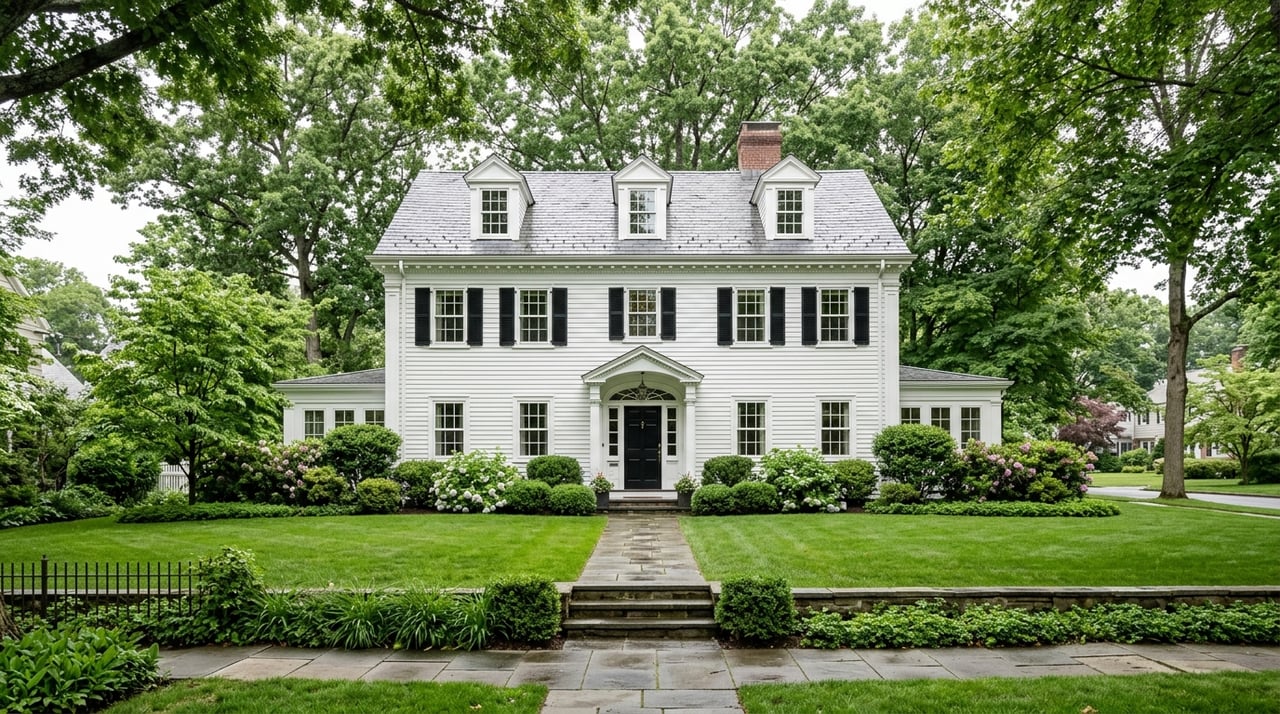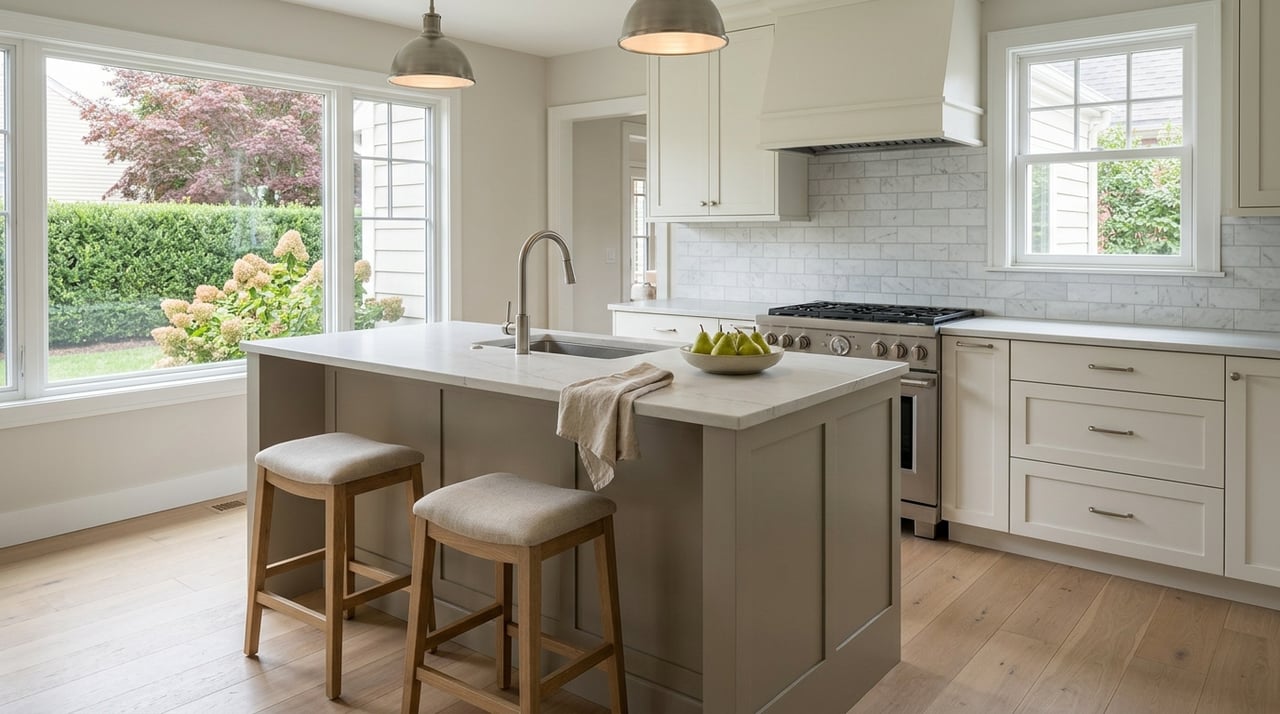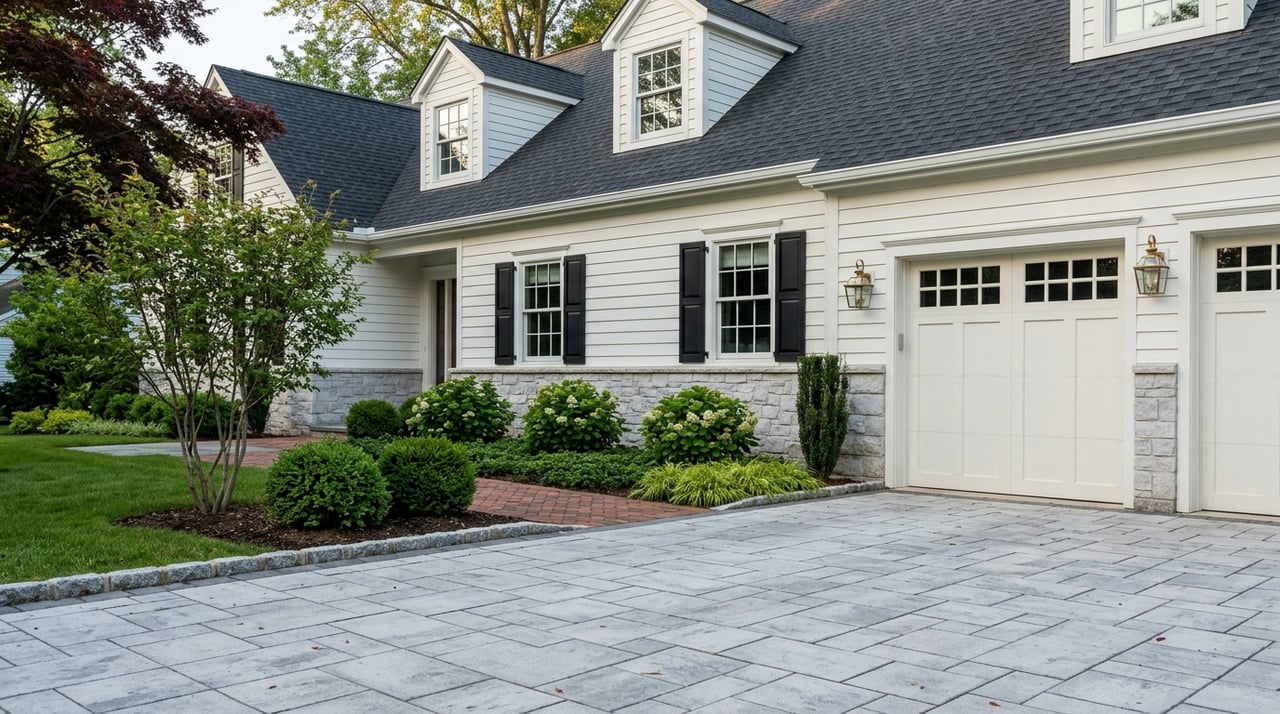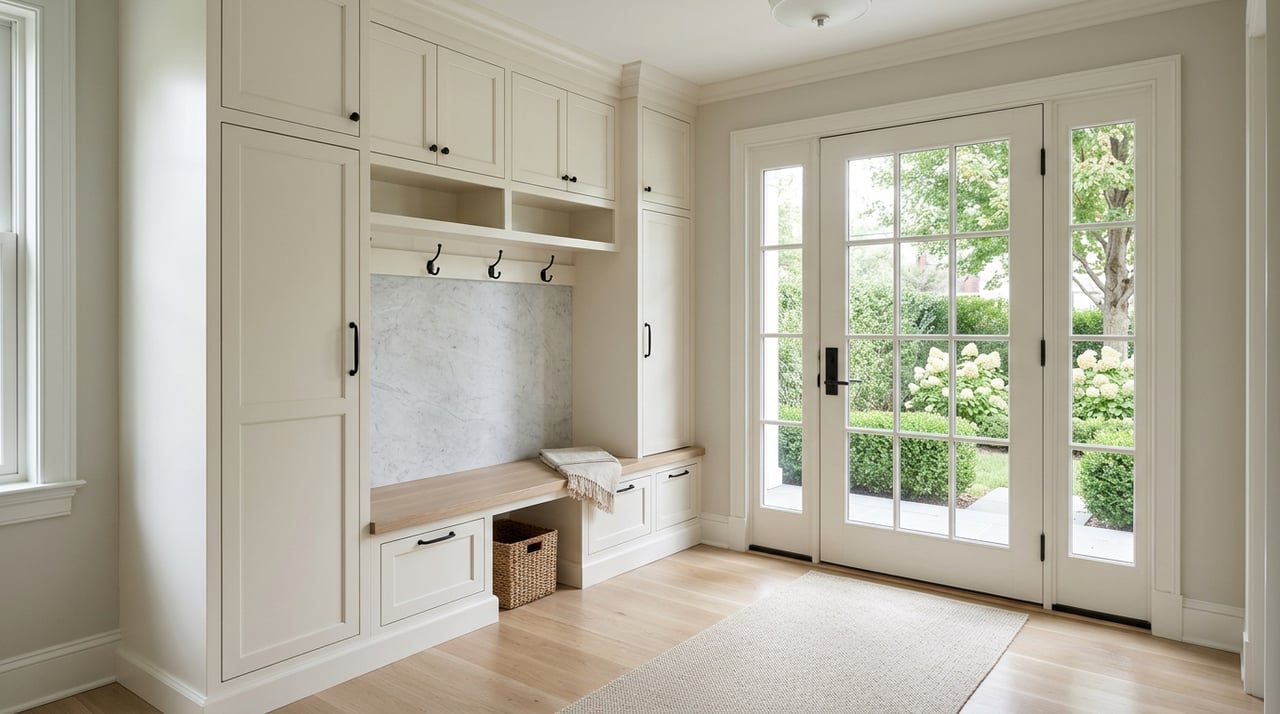
Thinking about trading your NYC routine for more space, a backyard, and a Metro-North commute? Pleasantville often lands on the shortlist for buyers making that move, but planning the transition takes more than spotting a listing you like. If you want to understand what daily life, housing costs, and the buying process can really look like here, this guide will help you plan with more confidence. Let’s dive in.
Why Pleasantville draws NYC buyers
Pleasantville is about 31 miles north of Grand Central Terminal, which makes it a realistic option for many buyers who want to stay connected to the city while living in Westchester. The village describes itself as a regional destination with public services, public schools, fine arts, dining, and community experiences. That mix can feel like a meaningful shift from city living without feeling disconnected.
It is also a compact community. Census data shows about 7,391 residents across 1.9 square miles, which gives Pleasantville a smaller-town footprint than many NYC buyers are used to. For you, that can mean a more defined local center and a day-to-day lifestyle that feels easier to navigate.
What Pleasantville feels like on paper
Pleasantville’s numbers suggest a community shaped by homeowners, commuters, and families. Census Reporter shows 2.6 persons per household, a median age of 38.7, and 25.5% of residents under 18. That does not tell you everything about the village, but it does point to a town with a strong residential base rather than a neighborhood built mostly around apartment living.
Work patterns matter too. The average commute time is 35.5 minutes, with 55% of residents driving alone, 15% using public transit, and 21% working from home. If your household mixes office days, remote work, and occasional city travel, that flexibility may be part of Pleasantville’s appeal.
Know the housing mix first
If you are coming from NYC, it helps to reset your expectations before you start touring homes. Pleasantville is more ownership-oriented than rental-oriented, with about 76% of occupied units owner-occupied. About 62% of the housing stock is made up of single-unit structures.
At the same time, you should not assume the village is only single-family homes. Redfin tracks single-family homes, townhouses, and condos/co-ops in Pleasantville. That means your search may include different ownership styles depending on your budget, space needs, and maintenance preferences.
Expect a competitive price range
Pleasantville is not a one-number market. Different sources track listings, sales, and home values in different ways, so the clearest takeaway is that buyers should expect a competitive environment rather than fixate on a single price point.
Recent data supports that. Redfin reports a median sale price of $769,040 over the last three months ending May 2026, with 28 days on market and a 103.8% sale-to-list ratio. Realtor.com’s May 2026 snapshot shows a $1,035,000 median listing price, 19 days on market, and a 105% sale-to-list ratio, while Zillow’s May 31, 2026 home-value estimate is $1,034,594.
For planning purposes, it is smarter to think in terms of a broad market range. Depending on property type, condition, and location within the village, you may see homes discussed in the high-$700,000s through around the low-$1 million range and beyond. In a market where 56.4% of homes sold above list price on Redfin, preparation matters.
Build your budget around carrying cost
One of the biggest mistakes NYC buyers make is focusing too much on the asking price. In Pleasantville, your monthly reality may depend just as much on taxes, utilities, commuting costs, and upkeep as it does on your mortgage payment. QuickFacts shows median selected monthly owner costs with a mortgage at more than $4,000, which is a reminder to model the full picture.
Closing costs matter too. According to the CFPB, closing costs are separate from your down payment and typically run about 2% to 5% of the purchase price. Common charges can include appraisal fees, title insurance, government taxes, and prepaid expenses.
It is also wise to keep a cushion. The CFPB recommends maintaining a three- to six-month emergency reserve, and that is especially useful when you are moving into a home that may have repair or maintenance needs you did not face in a city apartment. A preapproval letter is also only a tentative commitment from a lender, so treat it as an important first step, not the finish line.
Understand Pleasantville tax timing
Property taxes in Pleasantville are layered, and timing matters. The village says village taxes are levied annually on June 1 and paid in two installments at the end of June and December. The village also notes that it does not collect school, town, county, or other real property taxes.
That means you should also plan for town and county taxes due in April, plus school taxes due in September and January. If you are comparing Pleasantville with NYC ownership costs, make sure you are looking at the full annual schedule. A home that fits your purchase budget can still feel different once all recurring costs are mapped out month by month.
Plan your commute before you buy
If your move depends on access to Manhattan, commute fit should be part of your home search from day one. Pleasantville is served by the Metro-North Harlem Line, and the MTA notes weekday peak-ticket rules for trains arriving at Grand Central between 6 AM and 10 AM and departing Grand Central between 6 AM and 9 AM and 4 PM and 8 PM.
That may affect your monthly rail cost, especially in a dual-income household or one with mixed schedules. Before you make an offer, look at how often you expect to commute, when you need to travel, and whether driving to errands, schools, or activities will also be part of daily life. A home can look perfect online but still miss the mark if the routine does not work for you.
Align your move with school logistics
If school timing matters to your household, build that into your plan early. The Pleasantville Union Free School District lists Bedford Road School, Pleasantville Middle School, and Pleasantville High School. Knowing the district structure helps you organize your timeline and gather the documents you may need for enrollment.
This is one area where waiting too long can create stress. If you are moving from NYC while also selling, ending a lease, or coordinating summer plans, it helps to work backward from the date you want to be settled. A smoother move often starts with a realistic calendar.
Watch for older-home due diligence
Pleasantville’s charm may include older housing stock, but older homes require extra questions. The village says properties built before June 1986 were flagged for further investigation under its lead service line inventory program. If you are considering an older property, ask about service-line material, any required inspections, and whether the seller has documentation from the village or water utility.
This does not mean every older home is a problem. It means property-specific due diligence matters. In a competitive market, it is easy to focus on getting the deal, but you also want a clear understanding of what you are buying.
Track future development changes
Pleasantville is not standing still, and that can matter for your long-term plan. The village says it is participating in New York State’s Plus One ADU program, which can provide up to $125,000 to eligible owner-occupied single-family homeowners for basement or attic apartments, interior conversions, or small stand-alone units. For some buyers, that may create future flexibility for multigenerational living or added use options.
The village also says it is reviewing a 102-unit townhouse proposal and a 36-unit apartment conversion. Reviews will consider traffic, schools, infrastructure, and emergency services. If you are buying near areas that may change, ask questions about nearby proposals, possible construction timing, and how future development could affect your block or commute.
Create a realistic NYC-to-Pleasantville timeline
A good move plan usually starts earlier than you think. The CFPB notes that people normally try to sell first before buying another home, which can be especially relevant if you need equity from your current NYC property. If your move involves a lease, a sale, or both, line up those dates carefully.
Your planning checklist should include:
- Mortgage preapproval
- Full monthly budget, including taxes and commute costs
- Target move date
- School enrollment timing, if needed
- Sale or lease-end coordination
- Movers and storage planning
- Final walk-through before closing
The CFPB also notes that your lender must provide the Closing Disclosure at least three business days before closing. Use that time to review the numbers carefully, and remember that a seller credit toward closing costs may still be reflected elsewhere in the contract or loan terms.
A smart buying strategy for Pleasantville
For most NYC buyers, the best approach is simple: focus on fit, not just finish. A beautifully updated home may still be the wrong choice if the carrying cost is too high, the commute is off, or the property raises due diligence concerns. On the other hand, the right home can make your day-to-day life easier for years.
That is why your Pleasantville plan should center on four things: full carrying cost, commute fit, school logistics, and property-specific due diligence. When you build your search around those priorities, you are more likely to buy with confidence instead of rushing under pressure.
If you are planning a move from NYC to Pleasantville and want thoughtful, hands-on guidance tailored to Westchester living, Lizette Sinhart can help you navigate the process with clarity and care.
FAQs
What is the commute from Pleasantville to NYC like for buyers?
- Pleasantville is about 31 miles north of Grand Central Terminal and is served by the Metro-North Harlem Line, so many buyers evaluate both travel time and peak-ticket costs before choosing a home.
How competitive is the Pleasantville housing market for buyers?
- Current data points to a competitive market, with sources showing quick days on market and sale-to-list ratios above 100%, so buyers should be prepared for strong pricing and fast-moving listings.
What home prices should buyers expect in Pleasantville?
- Because listing prices, sold prices, and home-value estimates vary by source and property type, buyers should expect a broad range rather than one single number, with many homes discussed from the high-$700,000s to around the low-$1 million range and beyond.
What taxes should Pleasantville homebuyers plan for?
- Buyers should budget for village taxes, plus separate town, county, and school taxes, since the village says those other real property taxes are collected on different schedules throughout the year.
What should buyers know about older homes in Pleasantville?
- For properties built before June 1986, buyers should ask about service-line material, possible inspections, and any available documentation because the village flagged those homes for further investigation under its lead service line inventory program.
How should NYC buyers time a move to Pleasantville?
- A smart timeline usually includes preapproval, budgeting, school planning, lease or sale coordination, mover scheduling, and a final walk-through before closing so the transition feels more manageable.