Thinking about trading city sidewalks for river sunsets without giving up an easy NYC commute? Sleepy Hollow sits right on the Hudson and blends small‑village charm with practical, day‑to‑day convenience. If you’re exploring Westchester from an apartment in the city, you probably want straight talk on commute times, housing options, schools, parks, and what the famous Halloween season is really like. This guide walks you through everyday life so you can decide if Sleepy Hollow fits your lifestyle. Let’s dive in.
Where Sleepy Hollow fits
Sleepy Hollow is a Hudson River village in the Town of Mount Pleasant in Westchester County. You’ll find a compact downtown, quiet residential blocks, and easy access to neighboring Tarrytown. The village’s identity leans into Washington Irving’s “The Legend of Sleepy Hollow,” which shows up in signage, local events, and seasonal tourism.
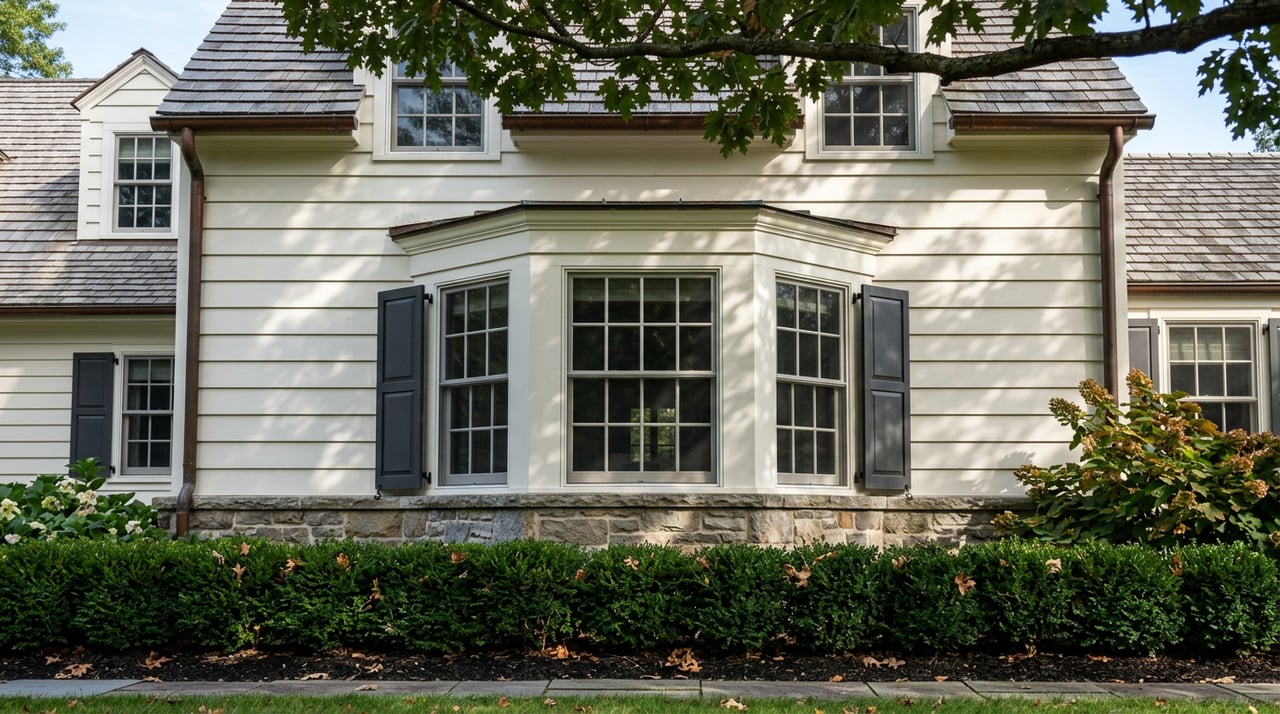
The scale feels approachable. You can stroll parts of the riverfront and village core, then be on a tree‑lined street in minutes. Architecture ranges from Victorians and early 20th‑century homes to renovated condos and small multi‑unit buildings near the waterfront.
Municipal services run at the village and town level. You’ll handle day‑to‑day items like trash, parking, and permits locally. Safety is generally in line with other Westchester river communities, though crowd levels rise during major events, especially in fall.
Housing and neighborhoods
What you’ll find
- Single‑family homes with character, including Victorians and early 1900s colonials.
- Smaller apartment buildings and converted historic properties.
- Condominiums and townhomes, including options near the riverfront.
- New construction appears, but most growth comes from renovations and infill.
Price and value context
Westchester is a higher‑cost suburb, yet Sleepy Hollow often offers more varied price points than the priciest towns because of its housing mix. Entry points may include smaller condos or co‑ops, while renovated single‑family homes and riverfront properties sit higher on the spectrum. Numbers change quickly, so plan to check real‑time data from the local MLS and major listing portals before you set expectations.
Who Sleepy Hollow suits
Many residents commute to Manhattan or White Plains. If you want a shorter train ride than farther‑north suburbs, like a walkable pocket near the river, and value historic charm with practical amenities, this village is worth a close look. Buyers who love character homes often find compelling options here.
Getting around and commuting
Train to Manhattan
The Metro‑North Hudson Line serves the area, with nearby stations connecting you to Grand Central. Depending on the time and train, you can expect roughly 35 to 60 minutes to midtown. Express service can shorten the ride, while local trains take longer. Always check current schedules before you plan your day.
Driving and highways
If you drive, you’ll use Route 9 and the Saw Mill River Parkway for local routes. The I‑287 corridor and the Mario M. Cuomo Bridge link you to Rockland County and regional highways. Drive times to Manhattan vary widely by time of day and traffic.
Walkability, buses, and parking
You can walk to parks, playgrounds, and some dining from parts of the village core. For larger errands, a car helps. Street parking and permit rules apply in many areas, and regional bus service runs through Westchester for added flexibility.
Schools and family life
District overview
Sleepy Hollow is served by the local school district that includes neighboring Tarrytown. If schools are a main driver for your move, review district report cards, enrollment maps, and program details directly from the district and New York State Education Department. This gives you the most current information on offerings and boundaries.
Childcare and enrichment
You’ll find preschools, daycares, and enrichment programs in the village and nearby towns. Availability can be competitive across Westchester, so plan your search early if you have a target start date.
Healthcare and daily essentials
Local medical practices and urgent care options are nearby, with larger hospitals and specialty care hubs in places like White Plains. For groceries and everyday shopping, you’ll mix local markets and cafes with bigger stores in neighboring communities.
Parks and the outdoors
Riverfront staples
River views are a signature part of life here. Kingsland Point Park offers space to walk, picnic, and watch boats along the Hudson. You’ll see families out with strollers, kids on playgrounds, and neighbors catching sunset from benches.
Preserves and trails nearby
Beyond the waterfront, you have quick access to Rockefeller State Park Preserve and trails in the Pocantico Hills area. These paths are popular for walking, running, biking, and weekend recharge time.
Culture and seasonal events
Historic anchors
The village’s cultural backbone includes Philipsburg Manor and the Sleepy Hollow Cemetery, both well‑known regional landmarks. Nearby, Kykuit and Sunnyside in Tarrytown add to the area’s historic tapestry. These sites host tours and programs that many residents enjoy year‑round.
Fall tourism: energy and tradeoffs
Autumn is the village’s busiest season. Lantern tours, cemetery events, and themed programs draw visitors from across the region. The upside is a festive local calendar and strong support for shops and restaurants. The tradeoff is weekend crowds and tighter parking near hot spots, especially in October.
Year‑round community
Outside of fall, you’ll find farmers markets, summer concerts, and community celebrations on the calendar. The pace feels relaxed compared with the city, yet you still get a steady stream of cultural options close to home.
A day in Sleepy Hollow
Weekday snapshot
- Early coffee, then a walk along the riverfront.
- School drop‑off or daycare, then on to the Hudson Line for a straightforward commute.
- After work, groceries in town or a quick stop in neighboring Tarrytown.
- Evening stroll, homework, and a quiet night in.
Weekend rhythm
- Morning playground time or a trail loop at Rockefeller State Park Preserve.
- Lunch at a local cafe, then a stop at specialty shops.
- Afternoon bike ride by the Hudson or a tour at a nearby historic site.
- Dinner close to home and a sunset view to end the day.
Pros and considerations
What many people love
- Riverfront setting with walkable pockets and parks.
- A mix of housing types and character homes.
- Direct rail access to Grand Central on the Hudson Line.
- Historic and cultural attractions close by.
Things to plan around
- Higher suburban costs typical of Westchester.
- Seasonal crowds in fall that impact parking and traffic near attractions.
- Limited new construction compared with outer suburbs, so buyers often compete for renovated homes.
- Permit and parking rules to learn if you prefer to drive.
How to start your search
Begin by clarifying your must‑haves: commute range, bedrooms, outdoor space, and budget band. Next, preview neighborhoods across the village and adjacent Tarrytown so you can compare walkability, housing stock, and daily convenience. Review the latest train schedules and set a realistic door‑to‑door commute estimate. For schools, pull district and state report cards, then schedule tours where available.
For pricing, use a real‑time snapshot from the local MLS, plus major listing platforms, to track what different property types are commanding this month. In a market with character homes and limited new builds, timing, preparation, and a clear offer plan can make a real difference.
Ready to talk strategy, neighborhoods, and next steps tailored to your family’s needs? Connect with a local advisor who knows the block‑by‑block details and can help you weigh tradeoffs with confidence. If that sounds helpful, reach out to Lizette Sinhart to get started.
FAQs
How long is the commute from Sleepy Hollow to Manhattan?
- On the Metro‑North Hudson Line, typical rides to Grand Central are roughly 35 to 60 minutes depending on express or local service and time of day.
What housing types are common in Sleepy Hollow?
- You’ll see single‑family homes with historic character, smaller apartment buildings, converted historic properties, and some condos or townhomes, including options near the river.
What should I know about schools in Sleepy Hollow?
- The local district serves Sleepy Hollow and parts of neighboring Tarrytown, and you should review district resources and New York State Education Department report cards for the most current information.
How walkable is Sleepy Hollow for daily errands?
- The village core and riverfront are walkable for parks, dining, and some shopping, but many households still use a car for larger errands and extracurriculars.
What is fall like for residents with all the Halloween events?
- Fall brings popular tours and themed programs that boost local energy and business while also increasing weekend crowds and tightening parking near major attractions.
Where do residents go for outdoor time besides the riverfront?
- Kingsland Point Park is a local favorite, and nearby Rockefeller State Park Preserve and trails in the Pocantico Hills area offer extensive walking and biking options.