Shopping for a home in Armonk and trying to figure out if you’ll need a jumbo loan? You’re not alone. Prices in northern Westchester can push you above standard loan limits, and the rules for larger mortgages are a bit different. In this guide, you’ll learn what counts as “jumbo,” how limits work in Westchester, what lenders look for, how rates compare, and smart strategies to keep your purchase on track. Let’s dive in.
Jumbo vs. conforming: what it means
A conforming loan meets Fannie Mae and Freddie Mac rules, including size limits. Those loans can be bought or guaranteed by the agencies, which helps standardize pricing and guidelines.
A jumbo loan is any mortgage with a starting balance above the conforming loan limit for the county and property type. Jumbos are not agency‑backed, so lenders keep them on their books or sell them through other channels. That is why requirements can be stricter.
County limits matter because they change each year and vary by county and number of units. A single‑family home has one limit, while 2‑ to 4‑unit properties have higher limits.
Westchester limits and Armonk impact
The Federal Housing Finance Agency (FHFA) sets the conforming loan limits each year. Always check the current FHFA limit for Westchester before you assume you need a jumbo.
As a reference point, the 2024 baseline single‑family conforming limit was $766,550, and the high‑cost single‑family limit was $1,149,825. Westchester has historically qualified as a high‑cost county, but you should verify the current year’s status and numbers. If you are looking at a duplex, triplex, or four‑unit property, remember that conforming limits rise with unit count.
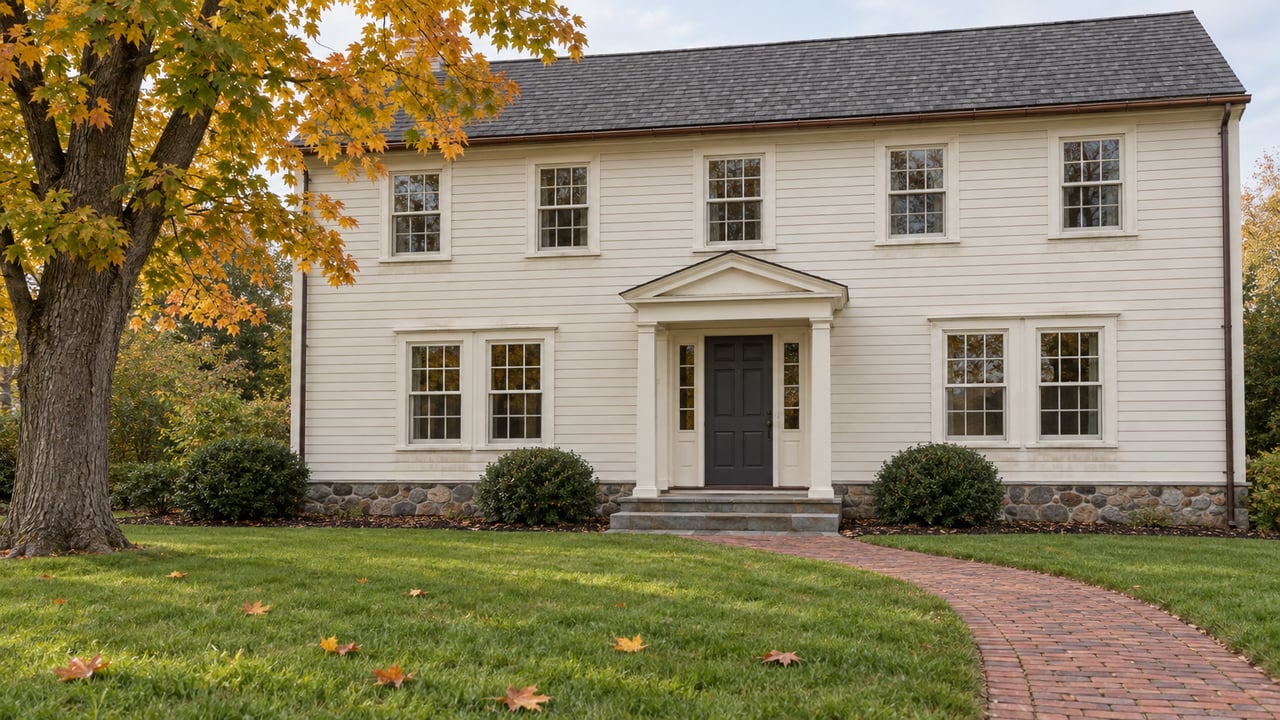
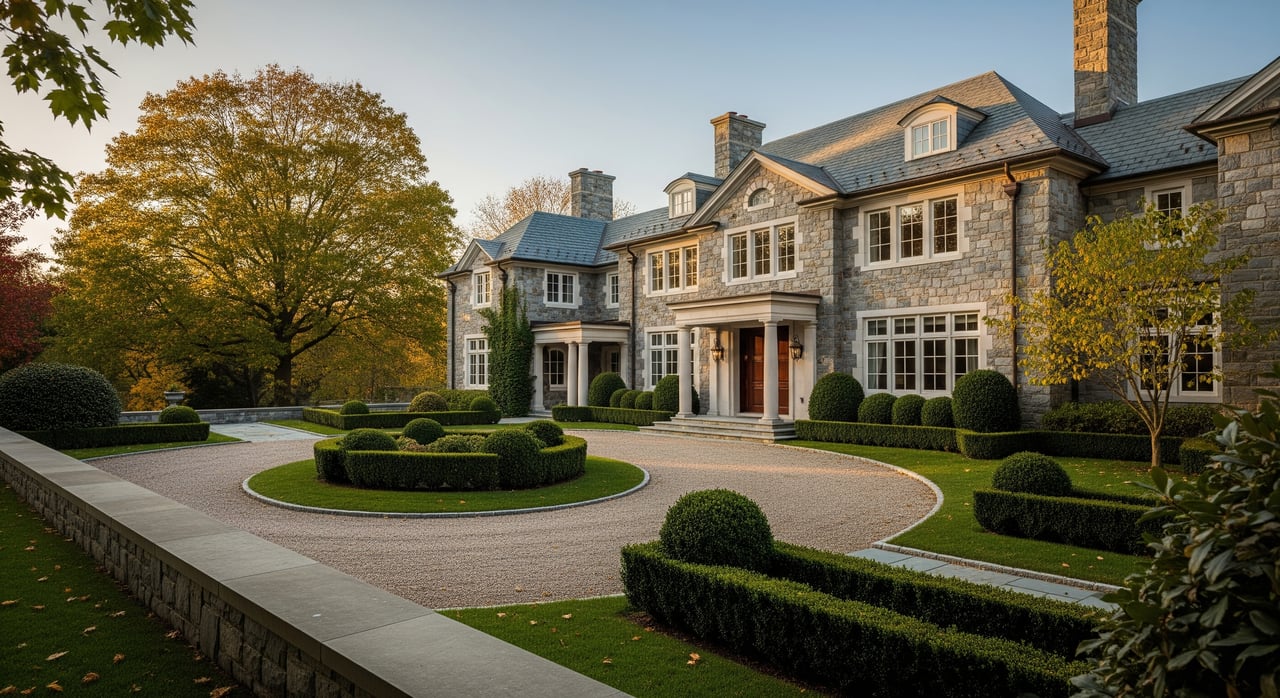
In practical terms, many Armonk homes, especially larger or luxury properties, exceed the conforming limit and will require jumbo financing.
Jumbo lender requirements
Credit score expectations
Many lenders want strong credit for the best jumbo pricing. Scores of 700 to 740 or higher are common targets. Some lenders will consider 680 to 700 with compensating factors, though pricing is usually higher.
Down payment and LTV
A 20 percent down payment is a common starting point for jumbo purchases. Depending on credit, occupancy, and risk, some lenders may ask for 25 to 30 percent down. A few niche or portfolio programs may allow 10 to 15 percent down for well‑qualified buyers.
DTI and reserves
Typical debt‑to‑income caps range around 43 to 50 percent, depending on your profile and documentation. Expect higher reserve requirements than conforming loans, often 6 to 12 months of total mortgage payments, and sometimes more if you have other financed properties.
Documentation and appraisal
Full documentation is standard. Lenders may request two years of tax returns, recent bank statements, and proof of any bonus or stock compensation. Self‑employed buyers should be ready for deeper income reviews. Appraisals are thorough on high‑value homes, and some lenders order a second appraisal for unique properties.
Mortgage insurance
Traditional private mortgage insurance is generally not available for jumbo loans the way it is for high‑LTV conforming loans. Lenders manage risk with larger down payments, stronger reserves, and rate adjustments.
Jumbo rates in context
Jumbo rates are set by lenders and influenced by broader markets and funding costs. In many cycles, jumbo pricing tracks conforming rates closely, with spreads that can be small and change over time.
Factors that can push your rate higher include lower credit scores, smaller down payments, higher DTI, limited reserves, nonstandard income, or unusual property types. The strongest profiles, larger down payments, and established banking relationships can help you secure more competitive pricing.
In the New York suburbs, it pays to get quotes from a mix of national banks, regional banks, credit unions, mortgage brokers, and local portfolio lenders.
Smart financing strategies in Armonk
Decide conforming vs. jumbo early
If you can structure your purchase price and down payment to stay at or below the current conforming limit, you may access simpler underwriting. That said, in Armonk, staying under the limit is not always practical. Decide your path early so your offer strategy matches your financing.
Piggyback structures
Some buyers consider 80/10/10 or 80/15/5 piggybacks to avoid jumbo size or mortgage insurance. These can work, but availability and total cost vary. Review the combined rate, fees, and complexity before committing.
Portfolio and non‑QM options
Local banks and credit unions sometimes offer portfolio jumbo programs with flexible terms for strong clients. If your income or documentation is unconventional, non‑QM jumbo options may fit, though they often come with higher rates and larger reserve needs.
ARMs for payment relief
Adjustable‑rate mortgages can offer lower initial rates on big loan amounts. If you plan to sell or refinance before the initial fixed period ends, an ARM can reduce near‑term payments. Make sure you understand the reset risk.
Bridge financing for move‑ups
If you need to buy in Armonk before selling your current home, a bridge loan or large line of credit can help with timing. These tools have costs and underwriting implications, so discuss them early with your lender.
Contract timing and offer strength
Jumbo underwriting can be more document‑heavy and may take longer. Build extra time into your contract for appraisal and underwriting. A strong pre‑approval, ideally based on a full document review, helps sellers feel confident in your offer. Ask your lender to detail the approved amount and any conditions.
Local Westchester considerations
Co‑ops are common in parts of Westchester and have their own board and financing rules. Condos and planned communities may require lender approval of the association’s financials. Confirm your lender is comfortable with the specific building or HOA.
New York closing costs, transfer taxes, and county fees can be meaningful at higher price points. Factor these into your cash plan along with reserves.
Tax treatment matters when you carry a large mortgage. Mortgage interest deductibility and state tax limits are complex, so speak with a qualified tax advisor about your situation.
Pre‑approval checklist
- Get a full pre‑approval for your expected loan size, not just a pre‑qualification.
- Ask whether your target loan will be conforming or jumbo under Westchester’s current limit.
- Gather documents: two years of tax returns, recent pay stubs, bank and investment statements, and any explanations for credit items.
- Clarify your down payment, reserve targets, and preliminary closing costs and appraisal timelines.
- If you plan to sell a current home, discuss how the lender treats that sale and any bridge options.
- Compare at least three lenders, including a national bank, a regional or community bank, and a mortgage broker.
Questions to ask lenders
- Will my loan be conforming or jumbo for this property and amount in Westchester?
- What credit score, down payment, DTI, and reserve requirements apply to a jumbo at my loan size?
- Do you offer portfolio or niche jumbo programs, and how do the costs compare?
- How long will underwriting take for this size loan, and what documents will you need from me?
Ready to tour Armonk?
Understanding limits, requirements, and timelines helps you make a confident, competitive offer on the right home. If you are weighing conforming vs. jumbo, or want a lender introduction that fits your goals, connect with a local guide who lives this market every day. Reach out to Lizette Sinhart to align your financing and search strategy.
FAQs
What is a jumbo loan in Westchester?
- A jumbo is any mortgage with a starting balance above the FHFA conforming limit for Westchester and the property’s unit count; limits are set annually.
What down payment is typical for a jumbo in Armonk?
- About 20 percent is a common baseline, but many borrowers need 25 to 30 percent depending on credit, property, and lender.
Are jumbo mortgage rates higher than conforming?
- Not always. Jumbo pricing often tracks conforming rates closely, but spreads vary by market, lender, and borrower profile.
Can I avoid a jumbo by putting more cash down?
- Yes. If you reduce your loan amount below the county’s conforming limit, you can use conforming financing.
How long does jumbo underwriting usually take?
- It can take longer than a standard conforming loan due to extra documentation and appraisal review. Ask your lender for current timelines.