Pull up two different real estate sites and search the same nine-digit zip code in Sleepy Hollow, and you can walk away with two different stories about the same village. One tells you home values rose about 9% over the past year. The other tells you the median sale price jumped nearly 80%. Both numbers are real. Neither one is wrong. And if you're trying to figure out what your budget actually buys here, believing the wrong one will send you shopping in the wrong market entirely.
This is not a case of dueling algorithms disagreeing about the same houses. It's a case of two numbers measuring two different things, and the gap between them is the most useful piece of information a Sleepy Hollow buyer can have right now.
The Same Village, Two Different Numbers
As of late June 2026, Zillow's home value index for Sleepy Hollow put the average home value at just over $1.05 million, up 9.1% from a year earlier. That index is built to track the existing housing stock over time, the same kinds of homes selling repeatedly, adjusted for what's typical.
Redfin's numbers tell a louder story. Over the three months ending in May 2026, the median sale price in Sleepy Hollow was $1.7 million, up 79.4% from the same stretch a year prior. Homes were also moving fast, an average of 25 days on market compared with 83 days the year before, and selling for about 4% above asking on average.
Here's the detail that should stop you before you accept either headline at face value: the median price per square foot actually fell 26.7% over that same year. A market where the median sale price nearly doubles while the price per square foot drops by more than a quarter is not a market where existing homes suddenly became worth dramatically more. It's a market where a different kind of home started closing.
Where the Extra Money Is Actually Coming From
Sleepy Hollow only sees a handful of closings each month. Redfin recorded 16 home sales in May 2026, up from 14 the year before. When your monthly sample size is that small, it doesn't take many transactions to swing a median hard in one direction. And Sleepy Hollow has spent the past two years adding exactly the kind of transaction that would do it.
The site is Edge-on-Hudson, the 70-acre former General Motors assembly plant along the river, now a master-planned community that's expected to eventually include 1,177 housing units, a 140-room boutique hotel, more than 135,000 square feet of retail, and over 16 acres of new parkland connecting to the existing Scenic Hudson RiverWalk. It has been under construction in phases since the site's infrastructure work began, and the pace of new closings has picked up noticeably in the past year.
One Kingsland, the final townhome neighborhood planned for Edge-on-Hudson, is a clear example. Developer Sun Homes released the first 28 units in June 2025, and they sold out within five months. A second collection of 28 homes launched that November, priced from $1.6 million for the three-bedroom layouts. Construction on the project's third and final phase is nearing completion as of this August, bringing the development to 90 residences ranging from about 2,955 to 4,140 square feet. The Ainsley and Hendricks floor plans, positioned to capture views of the river, Kingsland Point Park, and the 1883 Sleepy Hollow Lighthouse, carry broader footprints and expanded roof decks.
A few hundred yards away, The Daymark brought 100 condominium residences to the waterfront, designed by COOKFOX Architects and developed by Biddle Real Estate Ventures and PCD Development with Hines managing the build. When the building topped out in early 2024, prices started in the upper $900,000s; by 2026, listed pricing for available units ran from roughly $1.69 million to just under $4 million. Occupancy began in 2025.
Every one of those closings, whether at One Kingsland or The Daymark, gets counted in the same "Sleepy Hollow median sale price" figure as a resale bungalow in Webber Park. When a market that used to run almost entirely on modest, decades-old housing stock suddenly starts absorbing multiple seven-figure new construction closings a month, the median moves. The price per square foot tells a more honest story about value, because it's less sensitive to which specific homes happened to close. And the fact that it fell while the median rose is consistent with exactly what's happening here: larger new construction homes entering the mix, priced high in total dollars but not necessarily high on a per-square-foot basis compared to compact luxury units.
Two Sleepy Hollows, Not One
The practical upshot is that "Sleepy Hollow" now describes two markets that behave differently and appeal to different buyers. Knowing which one you're shopping in matters more than knowing the village-wide median.
| Where | What's typically selling | Approximate price | Approximate size |
|---|---|---|---|
| Webber Park (existing homes) | Three and four bedroom houses, updated interiors | $435,000 to $800,000 | 1,200 to 2,300 sq ft |
| Philipse Manor and Sleepy Hollow Manor (existing homes) | Early 20th century houses, several with river and mountain views | $1.25 million to $2.8 million | 2,000 to over 5,300 sq ft |
| One Kingsland at Edge-on-Hudson (new construction) | Three and four bedroom elevator townhomes | From $1.6 million | 2,955 to 4,140 sq ft |
| The Daymark at Edge-on-Hudson (new construction) | One to three bedroom waterfront condominiums | $1.69 million to $3.995 million | 2,101 sq ft and up |
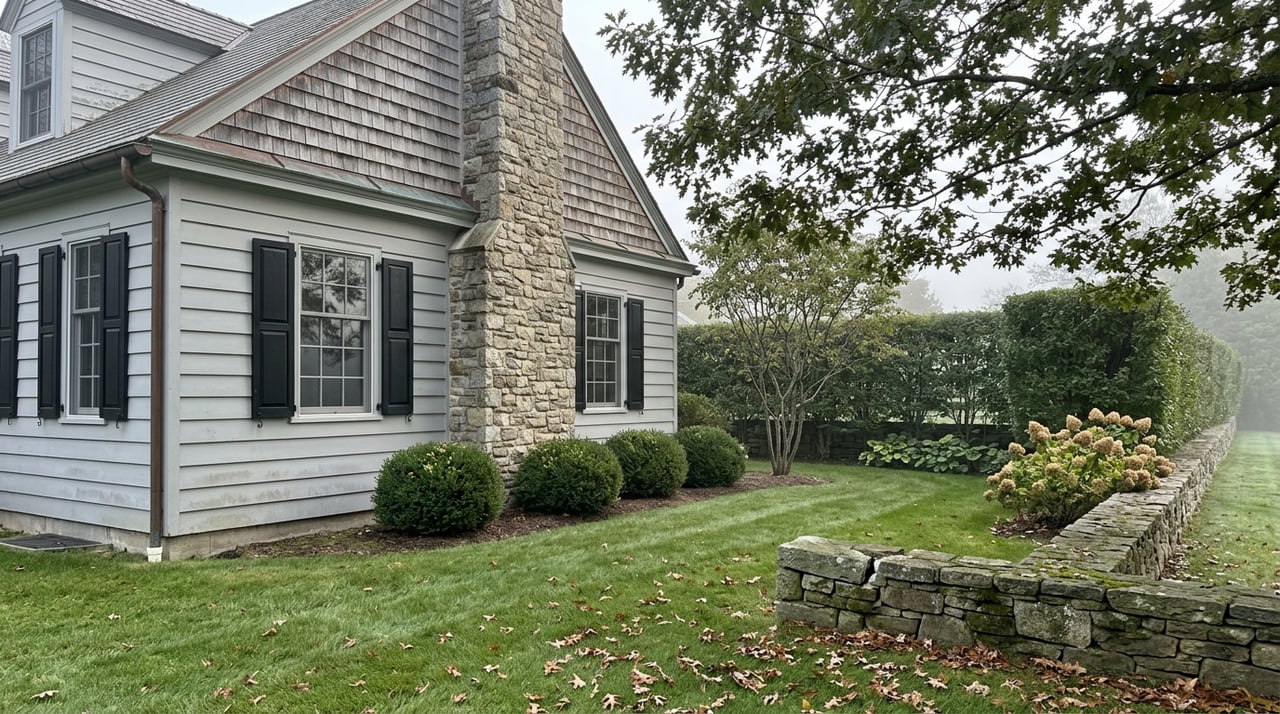
The legacy submarket, Webber Park on the entry-level end and Philipse Manor or Sleepy Hollow Manor above it, is still the more affordable and more gradually appreciating path into the village. This is the segment Zillow's 9.1% figure is closer to describing. The Edge-on-Hudson submarket is a newer, faster moving story built on new construction absorption. When Sun Homes describes the first phase of One Kingsland selling out in five months, that's not a comment on the whole village's demand curve. It's a comment on how quickly buyers wanted brand new, elevator-equipped, river-adjacent townhomes at that specific price point, which is a different question than whether a 1930s colonial two blocks from Beekman Avenue got harder to buy this year.
The retail buildout reinforces that this is its own micro-economy. DeCicco & Sons opened a 50,000-square-foot market at Edge-on-Hudson in March 2025, complete with an upstairs bar and restaurant, and the developer has continued investing in the surrounding public space, including plans for a new medical office building expected to break ground in 2026. That kind of amenity investment supports premium new-construction pricing in a way that doesn't automatically transfer to a resale house a mile inland.
What This Means If You're Actually Shopping
If your search has been anchored to the village-wide median, recalibrate around the submarket you actually want. A buyer chasing a starter home in Webber Park should expect a market that moved up modestly, not one that nearly doubled. A buyer drawn to new construction at Edge-on-Hudson should expect genuine competition, since the sellout pace at One Kingsland and the contract velocity Biddle Real Estate Ventures reported at The Daymark both point to strong demand for that specific product.
It's also worth asking any listing agent, for either submarket, how many comparable sales actually support the number they're quoting. With only 16 total closings villagewide in a given month, a "comp" from Edge-on-Hudson tells you very little about what a Philipse Manor colonial should sell for, and vice versa. Treat the two submarkets as separate comp pools, because that's functionally what they are.
Two Questions Worth Asking Before You Trust the Number
Will the median keep rising this fast? Only if new construction closings keep making up a similar share of total sales. Once One Kingsland's final phase sells through, the villagewide median will likely settle closer to whatever the existing housing stock is actually doing, which the Zillow index suggests is a steadier, high single digit pace.
Does new construction mean the older housing stock is undervalued? Not necessarily. It means the two products serve different buyers. A move-up family wanting a yard, character, and established landscaping in Philipse Manor is shopping a different value proposition than someone wanting a low-maintenance, amenity-rich townhome with an elevator and a rooftop deck.
Sleepy Hollow's numbers reward a buyer willing to ask which market a stat is actually describing before acting on it. That's the kind of read that comes from watching the village closing by closing, not from a single portal snapshot.
If you want help figuring out which Sleepy Hollow you're actually shopping for, and what your specific budget buys in each one, Lizette Sinhart would love to walk through it with you. Let's find your forever home, get in touch today.