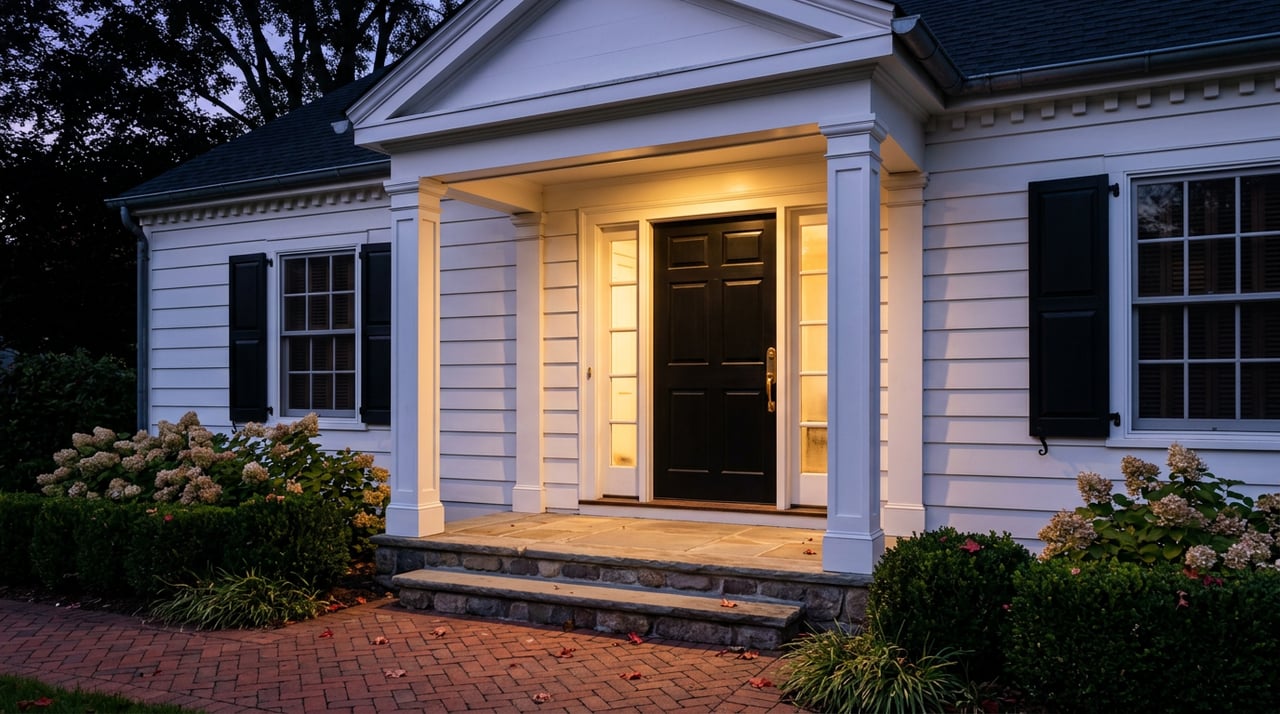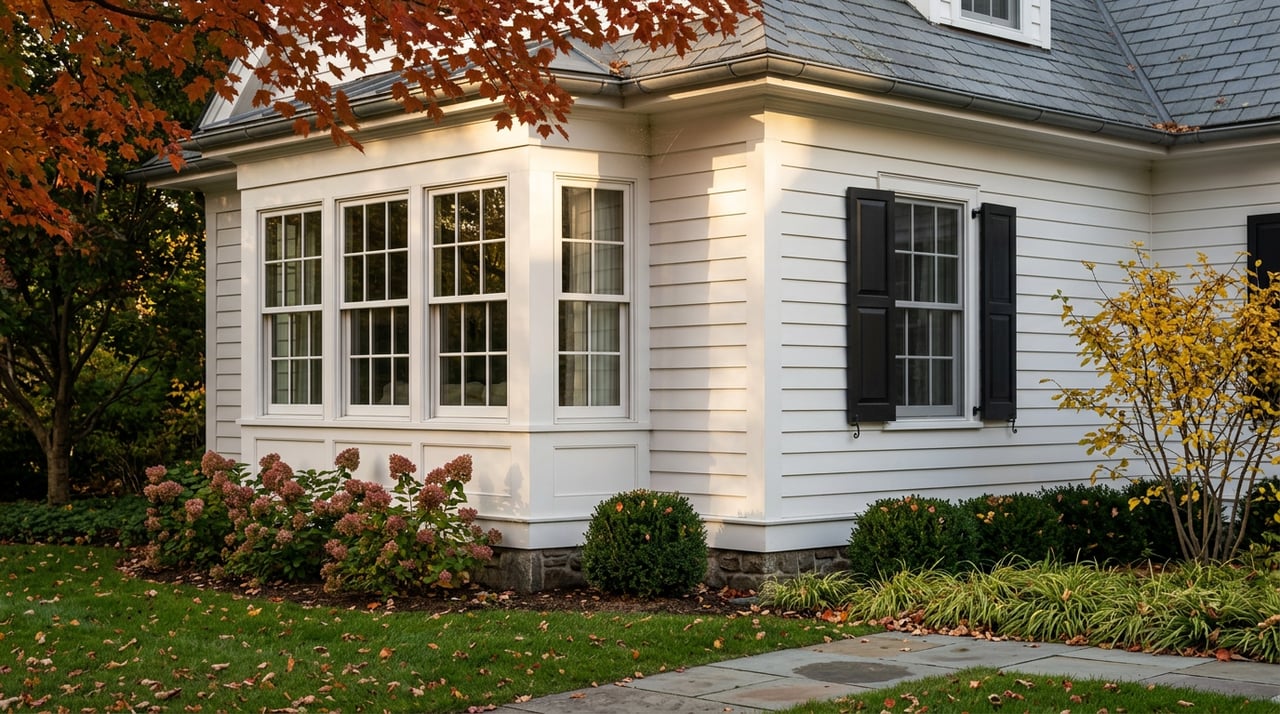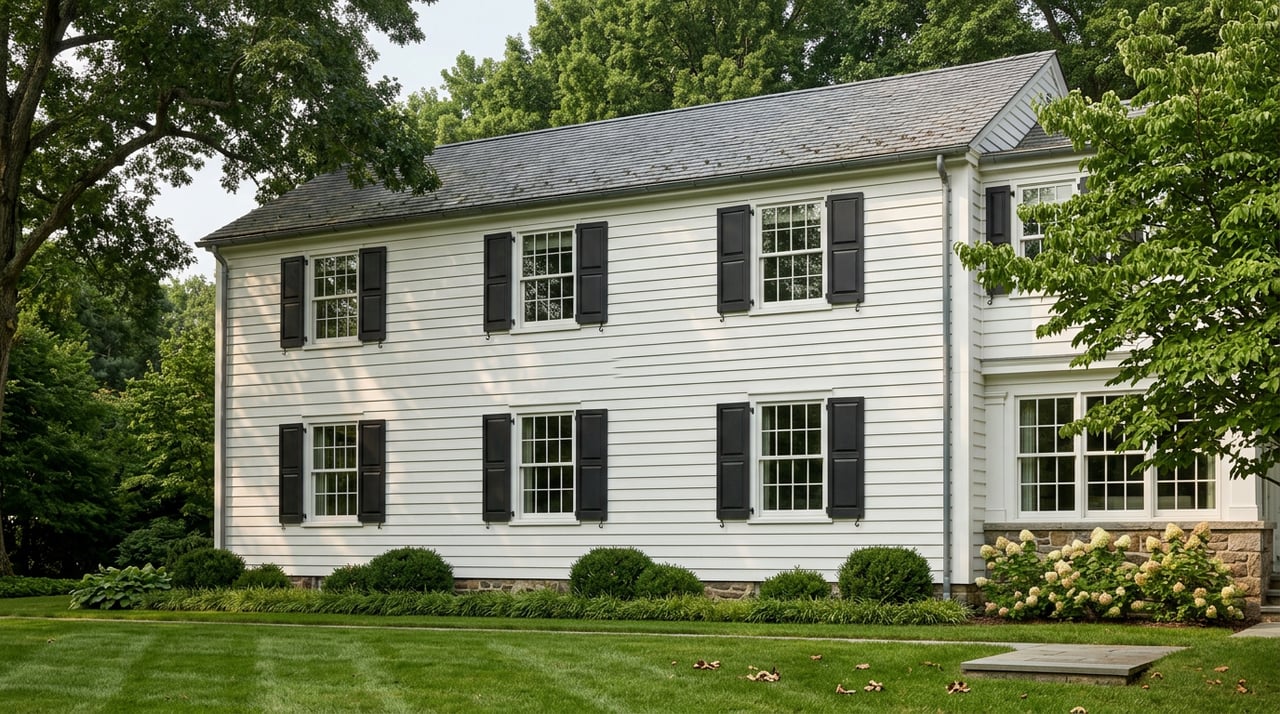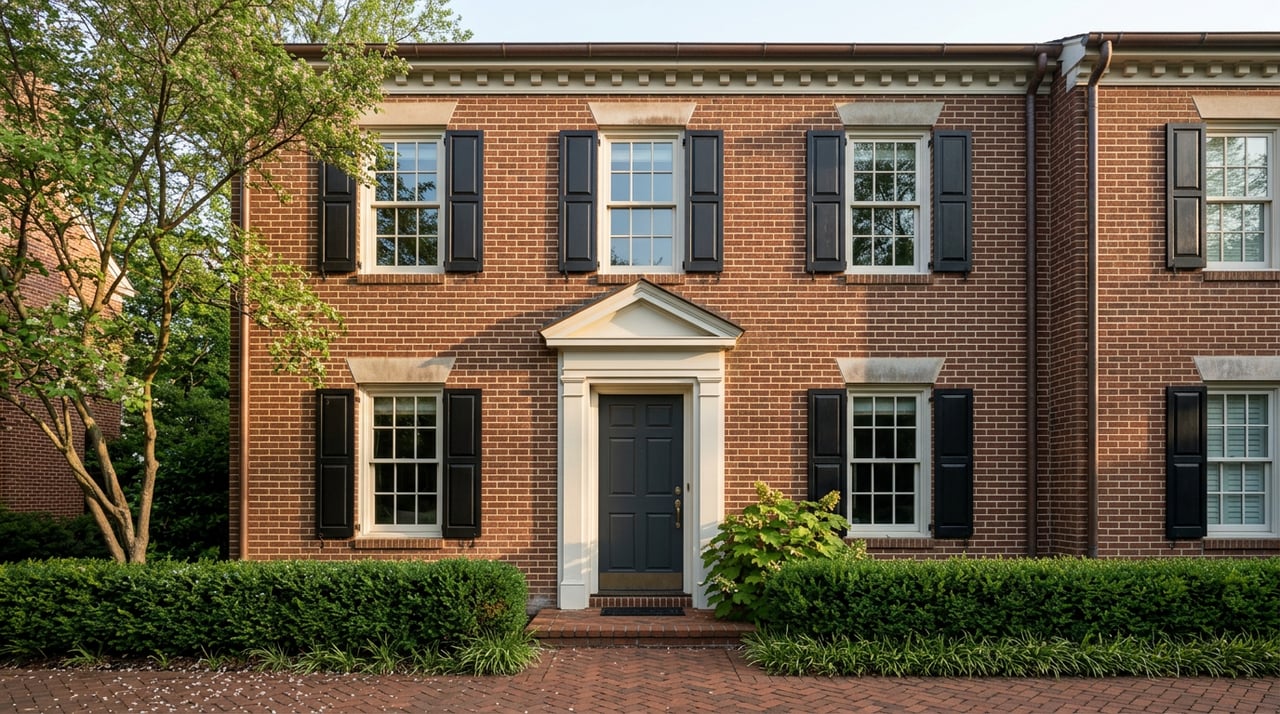
Ask someone touring a single-family house in Chappaqua this summer how the search is going, and you'll usually hear some version of exhausted. Ask someone touring a two-bedroom townhome at Old Farm Lake the same week, and the tone is different: more relief than adrenaline. Same hamlet. Same train line. Same school district. Two real estate markets running at completely different speeds, and almost nobody explains why the second one exists.
The Number Everyone's Repeating This Summer
The single-family numbers out of Chappaqua are the ones getting attention, and they earn it. According to Houlihan Lawrence's monthly market report, sourced from OneKey MLS, the median sale price for a single-family home in Chappaqua was $1,740,000 in June 2026, up 15.8% from June 2025. Average days on market fell to 15, a drop of 58.3% from May. Months of supply sat at 1.0, down 56.5% month over month. Units sold doubled from May to June, from 7 to 14.
Put plainly: at June's sales pace, if not a single new single-family home had come onto the market, the existing inventory would have sold out in about four weeks. For the first half of 2026, the year-to-date median single-family sale price ran near $1,630,000, up roughly 9% from the full-year 2025 figure of $1,501,750.
That is the headline. It is also, for a large share of people actually shopping in Chappaqua, not the market they're in.
Why the Portals Don't Agree With Each Other
If you've cross-checked that number against a national listing site, you may have hit a wall of contradictory data. One national aggregator's Chappaqua page reported a median sale price down nearly 40% year over year for November 2025, based on a sample of just two transactions that month. Two sales is not a market, it's a coin flip. In a town where single-family volume runs to a handful of closings some months, one modest renovation and one multimillion-dollar colonial closing in the same 30 days can swing a reported median by hundreds of thousands of dollars.
This is why a single MLS-sourced monthly report, tracked over a run of months rather than any one snapshot, tells a more honest story than a portal's real-time estimate. It's also a useful reminder for anyone comparing Chappaqua to a neighboring town: the smaller the market, the less any single month's median should be taken at face value.
What a 15-Day Market Actually Filters Out
A market that turns over in two weeks doesn't wait for a buyer who's still finalizing financing, or one who needs to sell a current home before writing an offer, or one who wants a week to think it over. It isn't a judgment on those buyers. It's just math: with roughly a month of supply against steady demand, sellers rarely need to wait for the most cautious offer on the table.
That reality pushes a specific kind of buyer out of the single-family race, at least temporarily, whether or not they can technically afford the price. Timeline and readiness end up mattering as much as budget.
The Market Running at a Different Speed, Just Down the Road
What most of those buyers don't hear about is that Chappaqua has a second, much less discussed housing stock, and it's not small.
Chappaqua Crossing sits on the former Reader's Digest corporate campus, a name that still shows up in local conversation because the company's headquarters occupied that land for decades before the site was redeveloped. Toll Brothers built 91 Georgian-style townhomes there, a mix of 20 three-bedroom and 71 two-bedroom units, with a clubhouse, on-site walking trails, and a shuttle to the Metro-North station. The historic Cupola Building on the same campus, once part of the Reader's Digest complex, was separately renovated into residential apartments.
A short drive away, Old Farm Lake has 177 townhouses and garden-style condominiums spread across 48 acres, marketed by residents as a "village within a village," with its own clubhouse, pool, and private shuttle to the train. Chestnut Oaks and Apple Hill Farm add further condo and townhome inventory, several units within walking distance of Whole Foods and Life Time Fitness.
Line the numbers up and the gap is stark:
| Housing type | June 2026 active listings | Total units in the community |
|---|---|---|
| Single-family homes, all of Chappaqua | 14 | — |
| Chappaqua Crossing townhomes | — | 91 |
| Old Farm Lake | — | 177 |
Not every one of those 268 combined units turns over in a given year, but the total pool a condo or townhome buyer is drawing from dwarfs the entire active single-family market in Chappaqua this summer. That difference in scale is a big part of why the two segments feel like different markets, because in practice, they are.
Why the Split Exists
Chappaqua's single-family stock is mostly old and mostly fixed in place. The classic colonials and farmhouses that define the hamlet were built decades ago on acre-plus lots, and there's little vacant land left to subdivide into more of them. New single-family construction trickles in one house at a time. The condo and townhome stock, by contrast, largely traces back to a handful of large-scale redevelopments, chief among them the reuse of the old Reader's Digest campus. One project like that adds more housing units in a single build-out than years of ordinary single-family turnover.
That's the mechanism behind the two speeds. Single-family supply grows in single digits. Condo and townhome supply grew in one large jump, decades ago, and has been cycling through resales ever since at its own pace.
Deciding Which Market You're Actually In
A few things worth weighing before you commit to competing in the 15-day market:
- If land, a garage, or a specific elementary school zone within the district is the actual goal, you're shopping in the tight single-family segment, and you need financing and paperwork finished before you tour, not after.
- If you want the same Chappaqua Central School District and Metro-North access without the compressed timeline, the condo and townhome communities give you more room to look, compare, and negotiate.
- Several of these communities, including Old Farm Lake and Chappaqua Crossing, include a private shuttle to the train station, which is worth weighing against the extra driving or parking a single-family home elsewhere in town might mean.
- If you're open to widening the search slightly, the neighboring hamlet of Millwood sits within the same town of New Castle and has its own condominium stock, often at a calmer pace and a somewhat different price point than Chappaqua proper.
Neither market is objectively better. They serve different situations, and knowing which one you're actually shopping in before you start touring saves a lot of wasted weekends.
A Few Questions We Hear About This Split
Are Chappaqua's condos and townhomes zoned for the same schools as the single-family homes? Yes. Communities including Old Farm Lake and Chappaqua Crossing fall within the Chappaqua Central School District, the same district drawing families to the single-family side of the market.
Is Millwood the same as Chappaqua? No. Millwood is a separate hamlet within the town of New Castle, the same town that contains Chappaqua, and it has its own housing stock that includes several condominium developments.
Does a fast market always mean higher prices? Not on its own. June 2026's numbers moved together in Chappaqua, but a short days-on-market figure mainly signals that supply is scarce relative to demand. It doesn't mean every home is selling above its asking price.
If you're trying to figure out which of these two Chappaqua markets actually fits your search, or whether a condo, townhome, or single-family home makes more sense given your timeline, Lizette Sinhart can walk through the current inventory with you and help you decide where to spend your time looking. Let's find your forever home, get in touch.