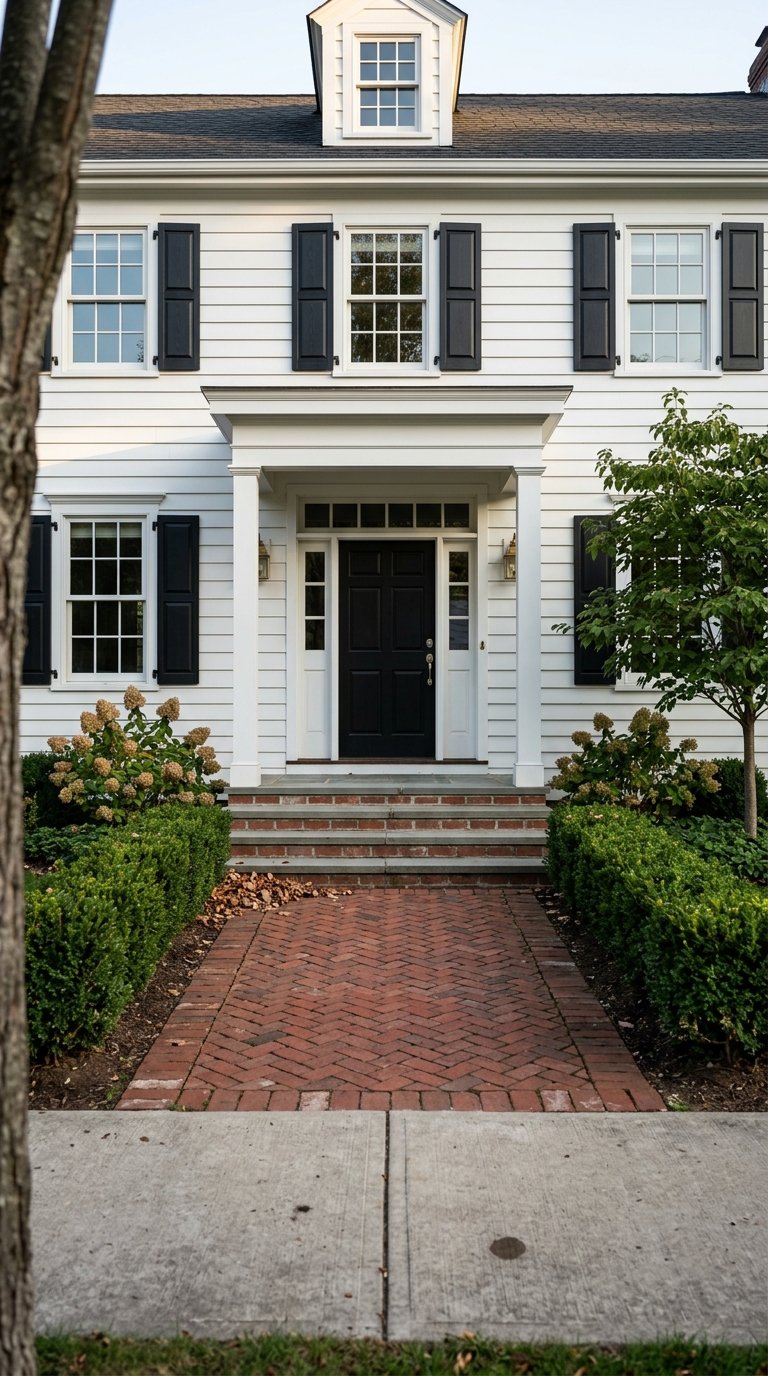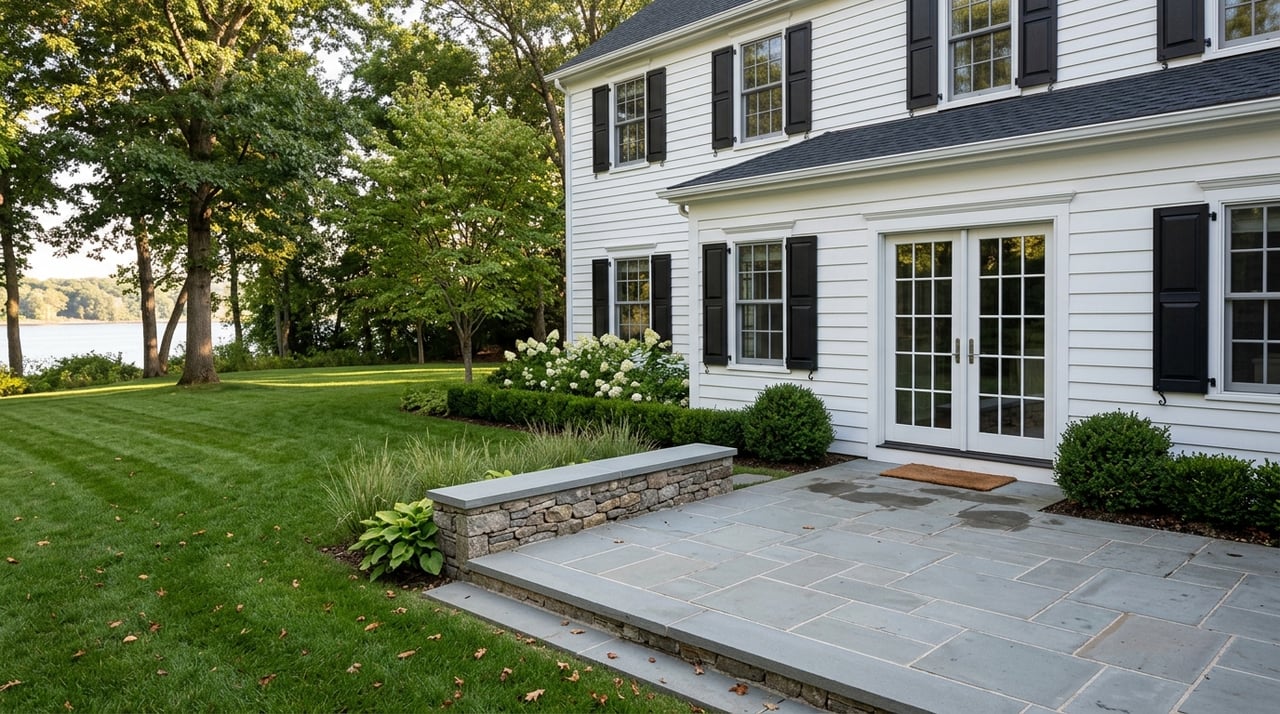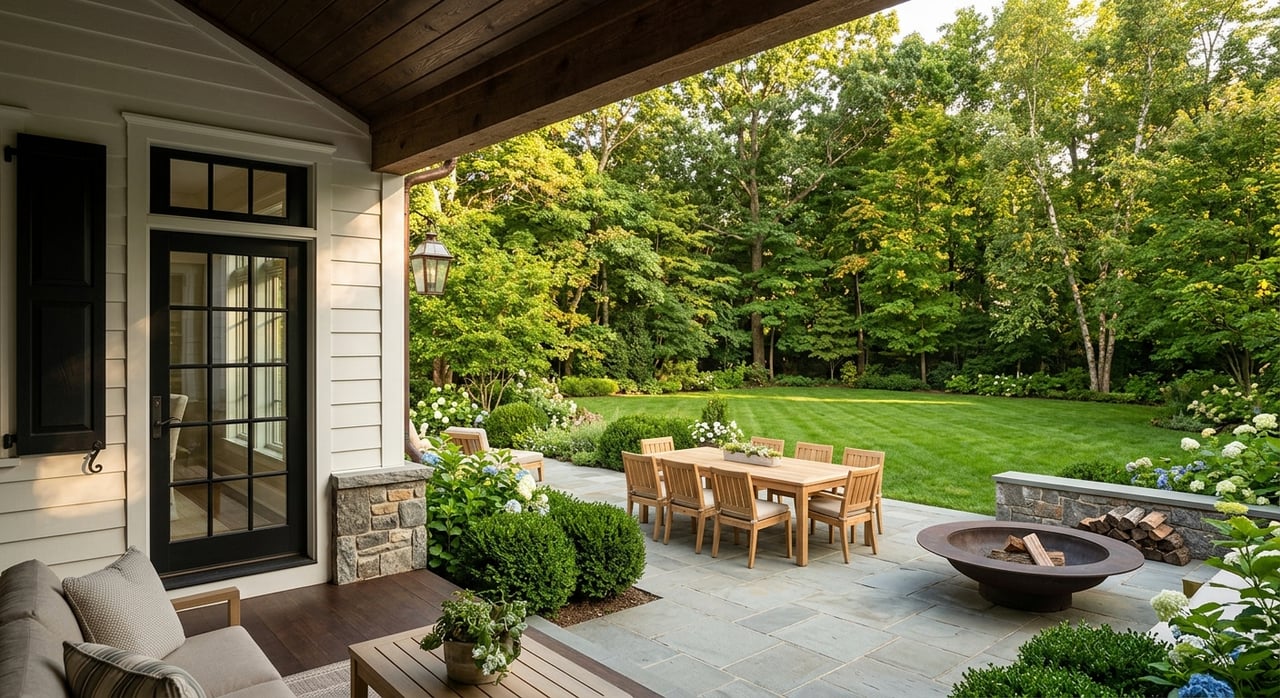
Looking for a suburb that feels active, connected, and easy to settle into can be a lot harder than it sounds. If you are weighing a move to Chappaqua, you are probably not just asking about houses. You are also asking what everyday life feels like once the boxes are unpacked. This guide walks you through Chappaqua’s outdoor living, gathering spots, and village feel so you can picture the lifestyle more clearly. Let’s dive in.
Why outdoor living stands out
Chappaqua sits within the Town of New Castle, where parks, preserves, and open space total about 4,200 acres. That is more than a quarter of the town’s land area, which gives you a sense of how central the outdoors is to daily life here. According to the town’s recreation planning, residents place a high value on recreation and stay engaged in sports, leisure, and fitness throughout the year.
That matters if you are moving from a denser setting and want more than just extra square footage. In Chappaqua, outdoor space is not tucked away as an occasional weekend option. It is woven into the identity of the community.
The same planning framework also describes Chappaqua Hamlet as one of the town’s economic centers. In practical terms, that gives the area a mix of village activity and suburban breathing room. You get a setting that can feel both grounded and livable, especially if you want access to recreation without giving up a sense of place.
Parks and trails in Chappaqua
One of Chappaqua’s strongest lifestyle features is variety. The Town of New Castle says it offers nearly 20 miles of trails, with rehabilitation completed at Burden Preserve and work underway at Whippoorwill Park, two of the most used trail systems.
If you like having choices, the local park system supports different kinds of routines. You might want a quick walk before work, a longer woods hike on the weekend, or a place to spend a few hours outdoors with room for play and downtime. Chappaqua has options for each of those rhythms.
Burden Preserve and Whippoorwill Park
Burden Preserve includes six trails and is one of the town’s most used trail networks. It offers a practical option if you want a wooded setting that feels accessible for regular use rather than just occasional outings.
Whippoorwill Park is the town’s largest passive park at 215 acres and includes four trails. With ongoing work underway there, it remains an important part of the local outdoor landscape. For buyers who prioritize open space and nature access, that scale is worth noting.
Gedney Park and active recreation
Gedney Park adds another layer to the outdoor mix. It has nine trails along with athletic fields, two playgrounds, a picnic shelter, a sledding hill, a gazebo, and a fishing dock.
That combination makes Gedney Park useful for households with different interests on the same day. One person can walk a trail while another heads to the playground or fields. It is the kind of flexibility that helps outdoor time feel easy instead of overplanned.
Sunny Ridge and Warburg Park
Sunny Ridge Preserve is an 82-acre passive preserve with eight trails totaling 2.8 miles. Warburg Park includes four trails, adding to the range of places where you can get outside without needing a major excursion.
Taken together, these preserves and parks support a lifestyle with both active and low-key options. You are not relying on one flagship park to do everything. Instead, you have a network of spaces that can fit different schedules and interests.
Downtown spaces add to the vibe
Outdoor living in Chappaqua is not only about trails and preserves. The downtown core also has green spaces that shape how the hamlet feels day to day.
Chappaqua Pocket Park sits in the heart of the business district on North Greeley Avenue. The town describes it as a small oasis with paved walkways, seating areas, and a mosaic created by residents, artists, and schoolchildren.
Its location matters just as much as its design. With the Metro-North station, restaurants, and locally owned shops nearby, the park helps make the village center feel compact and easy to enjoy on foot.
Depot Plaza Park, right next to the station, is the oldest park in town. It serves as a gathering place for Memorial Day speeches, Community Day, and the farmers market.
These are small details that can have a big effect on how a place feels. Public spaces near shops and transit often create a stronger sense of rhythm, where errands, events, and casual meetups happen in the same general area.
The farmers market as a weekly ritual
For many buyers, neighborhood vibe comes down to repeated moments more than big attractions. In Chappaqua, the farmers market is one of those recurring anchors.
The Chappaqua Farmers Market lists its 2026 season as Saturdays from May 9 to December 5, from 8:30 a.m. to 1 p.m., at the Chappaqua Train Station on Allen Place. The market says 2026 is its 16th season and features more than 40 vendors, local musicians, kids and educational activities, and SNAP/EBT participation with doubled SNAP dollars.
Just as important, the market describes itself as a gathering spot where local farmers, makers, and neighbors come together. If you are trying to imagine how easy it is to plug into community life, that kind of weekly event tells you a lot.
A strong market can create a familiar weekend rhythm. You can grab produce, hear music, run into neighbors, and spend time downtown without needing a special occasion. That simple pattern often helps a town feel welcoming faster.
Walkability, art, and local rituals
Chappaqua’s public life extends beyond the market. The town’s Bridge Gallery project places murals under the Route 120 bridge overpass next to the train station, with the stated goal of creating buzz and foot traffic for local merchants.
That kind of project adds personality to the village center. It also shows an effort to make everyday spaces feel more inviting and memorable.
If you enjoy getting to know a place on foot, the New Castle Historical Society offers downtown walking tours that begin at the Greeley House and take about an hour. It also offers a Greeley Farm walk that takes about 50 to 60 minutes.
These are not flashy amenities, but they do help define the neighborhood vibe. They suggest a downtown that supports walking, lingering, and returning rather than simply passing through.
Commute and convenience still matter
For many households considering Chappaqua, lifestyle is closely tied to commute practicality. Chappaqua station is an accessible Metro-North Harlem Line station with elevators, tactile warning strips, audiovisual passenger information systems, three ticket machines, and Bee-Line bus connections.
The Harlem Line runs to Grand Central, and the MTA notes that peak tickets are required on weekday trains arriving at Grand Central from 6 a.m. to 10 a.m. and departing from Grand Central from 6 a.m. to 9 a.m. and 4 p.m. to 8 p.m. The Town of New Castle also provides station parking information and an online payment gateway for commuters.
This matters because Chappaqua’s appeal is not just about escaping the city. It is also about finding a place where outdoor access and commuter function can exist in the same routine.
A look at the ChapLine trailway
One of the more interesting future-facing projects in Chappaqua is the ChapLine trailway. The town describes it as a 1.7-mile, off-road, barrier-free, all-season, illuminated path intended to connect the hamlet, Robert E. Bell Middle School, and the Chappaqua Crossing and Horace Greeley High School area without relying on a car.
The town says it hopes a significant portion of the project could be built by 2028. For buyers who value connectivity, this is a meaningful detail because it points to a more linked daily experience between key parts of town.
Even as a planned project, the ChapLine helps illustrate Chappaqua’s broader direction. The town is not only preserving land. It is also thinking about how people move between community spaces in a practical, everyday way.
What Chappaqua feels like overall
If you step back and look at the full picture, Chappaqua offers a blend that many suburban buyers are searching for. You have substantial open space, nearly 20 miles of trails, active parks, village green spaces, a long-running farmers market, and direct commuter access through Metro-North.
That mix gives the area a distinctive rhythm. You can spend time outdoors in a meaningful way, enjoy recurring local traditions, and still keep one foot connected to the city through transit.
For buyers making an urban-to-suburban move, that balance can be especially appealing. Chappaqua does not read as a place where life happens only behind closed doors. It feels more like a community where recreation, village activity, and everyday convenience overlap.
If you are trying to decide whether Chappaqua matches the lifestyle you want, the best next step is to look beyond listings and focus on how you want your days to feel. If you want help comparing neighborhoods, understanding the local vibe, or finding the right fit in Westchester, Lizette Sinhart can help you make a confident move.
FAQs
What is outdoor living like in Chappaqua?
- Chappaqua offers access to parks, preserves, and open space across the Town of New Castle, which totals about 4,200 acres, along with nearly 20 miles of trails and a mix of active and passive recreation areas.
Which parks and trails are notable in Chappaqua?
- Notable options include Burden Preserve, Gedney Park, Sunny Ridge Preserve, Warburg Park, and Whippoorwill Park, each offering different trail systems and, in some cases, amenities like playgrounds, athletic fields, picnic areas, and a fishing dock.
What gives downtown Chappaqua its neighborhood vibe?
- Downtown Chappaqua includes spaces like Chappaqua Pocket Park and Depot Plaza Park, along with the farmers market, public art near the train station, and local walking tours that support a compact, walkable village feel.
Where is the Chappaqua Farmers Market held?
- The Chappaqua Farmers Market is held at the Chappaqua Train Station on Allen Place, and its 2026 season is listed as Saturdays from May 9 to December 5, from 8:30 a.m. to 1 p.m.
How commuter-friendly is Chappaqua for New York City trips?
- Chappaqua has an accessible Metro-North Harlem Line station with elevators, ticket machines, passenger information systems, and Bee-Line bus connections, offering service to Grand Central.
What is the ChapLine project in Chappaqua?
- The ChapLine is a planned 1.7-mile, off-road, barrier-free, all-season, illuminated path designed to connect the hamlet with other key areas of town without relying on a car, with the town hoping a significant portion could be built by 2028.